
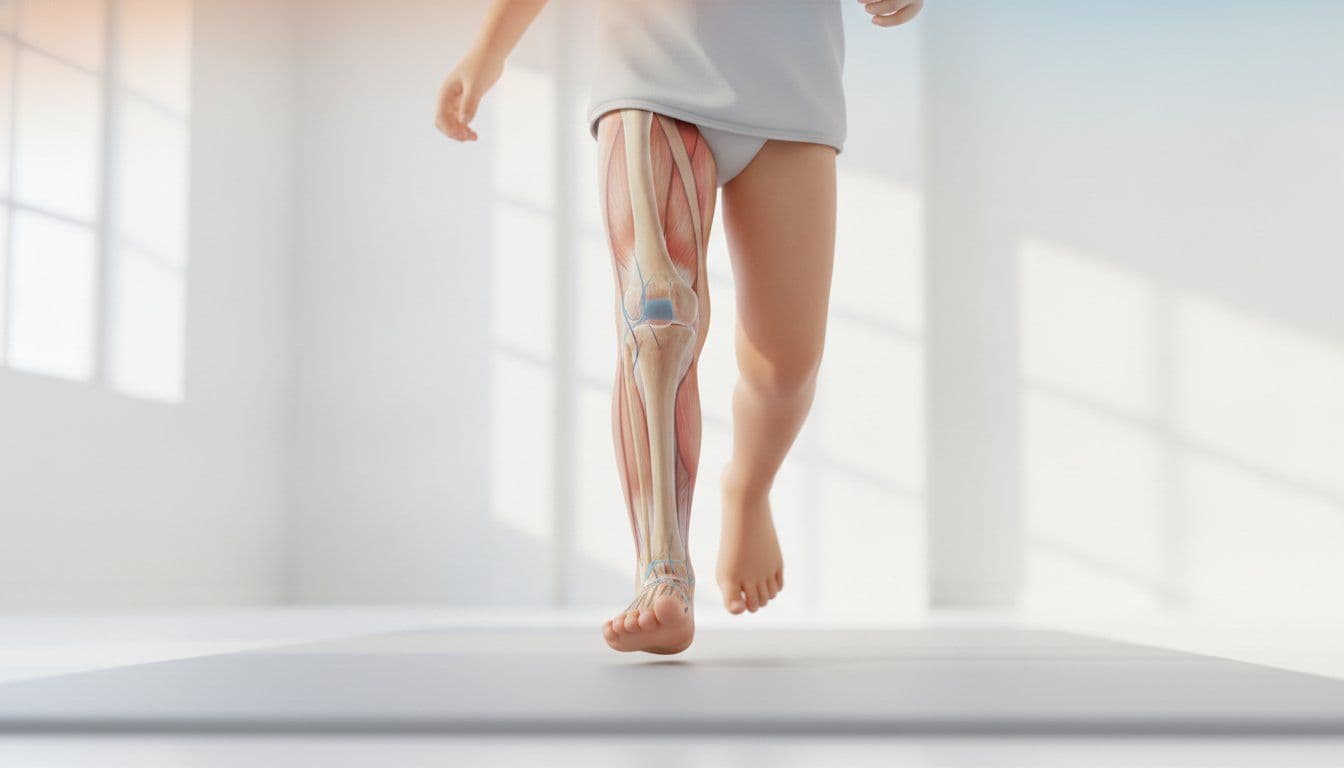
Children's Walking Assessment: Is Your Child Finding Their Feet?
Worried about your toddler's clumsy walk? Our children's walking assessment in Milton Keynes tells you if it's a phase or something more. Get clear answers.
You are at the park in Milton Keynes, watching your little one run towards the swings, but you cannot help noticing they seem a bit "clumsy" compared to the other toddlers. Maybe their toes point inwards, or they spend most of their time walking on their tiptoes, and you are left wondering if it is just a phase or something that needs a professional eye. Most parents ask us the same thing: "Is the way my child walks normal, or should I be worried?" The truth is that while the window for development is broad, persistent tripping or an unusual pattern often warrants a children's walking assessment to rule out underlying issues and ensure they are moving correctly.
We understand the anxiety that comes with watching your child struggle, especially when conflicting advice from online forums leaves you more confused than before. You want a clear answer, not a "wait and see" note from a GP or a spot on an NHS waiting list that currently stretches for months. In this article, you will discover exactly what happens during a paediatric gait assessment and how to identify the signs that your child needs professional attention. We will break down the common walking patterns we see in our clinics, compare your treatment options, and provide a clear path toward improving your child’s mobility and your own peace of mind.
Key Takeaways
- Learn why a professional children's walking assessment is the most effective way to distinguish between normal developmental phases and issues that require clinical intervention.
- Understand common gait patterns like in-toeing and toe-walking, including when these habits are harmless and when they might begin to affect your child's long-term mobility.
- Discover our hands-on approach to paediatric care, which focuses on identifying the root cause through physical exams rather than just providing generic exercise sheets.
- Get practical advice on supporting your child's foot health at home, from the developmental benefits of indoor barefoot time to choosing the right school shoes.
- Identify the critical "red flags," such as persistent pain, limping, or sudden changes in movement, that signal it is time to move beyond the "wait and see" approach.
What is a children's walking assessment and why do parents seek one?
A paediatric walking assessment is a detailed clinical observation of how your child moves, from the alignment of their hips down to the way their big toe hits the floor. Most parents come to us with one burning question: "Is the way my child walks normal?" In many instances, the answer is yes. Children often display "quirks" as they grow, but a professional children's walking assessment provides the clinical certainty you need. It distinguishes between a harmless developmental phase and a physical habit that might lead to discomfort or injury as they get older.
Imagine a parent in Milton Keynes watching their toddler navigate the rug in the living room. Whilst other children their age seem steady, this little one trips constantly or appears to "waddle" more than their peers at playgroup. That nagging feeling that something isn't quite right is usually what prompts a visit to our clinic. We don't view an assessment as a "test" your child has to pass. Instead, it's a proactive tool to ensure their bones, muscles, and joints are working in harmony during these critical years of growth.
The 'Wait and See' trap vs. proactive care
You might have been told to "let them grow out of it" by well-meaning friends or even health visitors. Whilst some gait patterns do resolve on their own, this "wait and see" approach carries risks. With over 17,000 children currently on NHS waiting lists for community care, "waiting" often turns into months of anxiety. By the time a child reaches the official 18-week referral target, which is frequently missed in the current climate, a minor alignment issue could have impacted their physical confidence. We provide an immediate, hands-on alternative to the NHS model. Early intervention ensures your child meets their child development stages with strength and balance, preventing them from falling behind in school sports or developing avoidable aches.
What we look for during an assessment
Our paediatric physiotherapy team looks at the "whole child" rather than just focusing on their feet. We make the process feel like a series of games to keep things engaging and stress-free. During a session, we typically evaluate several key areas:
- Joint Range: We check if the hips, knees, and ankles move as freely as they should.
- Muscle Strength: We look for any imbalances where one group of muscles is working harder than another.
- Neurological Coordination: This involves watching how the brain and body communicate to maintain balance.
By identifying these factors early, we can create a clear plan to improve their mobility. Whether it's through specific play-based movements or footwear advice, our goal is to fix the root cause and support your child's long-term physical potential.
Common walking patterns: When should you be concerned?
Watching your child's first steps is a milestone you never forget, but it's often the months that follow that spark the most questions. As they gain speed, you might notice common walking patterns that look a little unusual compared to their peers. Whilst many of these are part of a normal learning curve, a professional children's walking assessment helps determine if these movements are efficient or if they are setting the stage for future discomfort. Even persistent "clumsiness" can be more than just a personality trait; it's often a sign that their balance and gait need a little fine-tuning to help them keep up with their friends.
The mystery of toe walking
Idiopathic Toe Walking is a persistent pattern where a child walks on their tiptoes without a known medical cause. For some children, this starts as a sensory preference, but it can quickly become a physical habit that leads to genuine calf tightness. If your child cannot get their heels down even when standing still, it's a sign that the muscles have physically shortened. We use hands-on physiotherapy to gently stretch these tight areas and strengthen the opposing muscles, ensuring they don't develop permanent changes in their gait as they grow taller and heavier.
In-toeing and 'Pigeon Toes'
In-toeing, or "pigeon toes", is one of the most frequent reasons parents visit our clinics in Northampton and Towcester. Interestingly, the issue rarely starts in the feet. It often originates from the rotation of the hip or the femur bone. During a children's walking assessment, we check if the rotation is structural, meaning the way the bone is shaped, or functional, which is how the muscles are pulling. A quick tip for you: watch your child walk towards you and look at their kneecaps. If the kneecaps point inwards whilst they walk, the "turning in" is likely coming from the hips rather than the shins.
Flat feet and the arch
Many parents worry about flat feet (pes planus), but a low arch isn't always a cause for alarm. Most toddlers have a "fat pad" that hides their arch until they are around six years old. We only become concerned if the flat feet are causing pain, making them tire easily during family walks, or if the foot remains flat even when they stand on their tiptoes. If you've noticed your child is reluctant to join in with active play or complains of "sore legs" after school, it might be worth booking a paediatric physiotherapy session to see if a few simple, hands-on adjustments could boost their confidence and comfort.
The RED Physiotherapy approach: What happens in your session?
When you bring your little one into our Milton Keynes or Northampton clinics, we don't start with a stopwatch or a cold medical checklist. We begin with a chat. Understanding your child's birth history and developmental milestones is vital because it gives us the context we need to understand their current movement. We want to know when they first crawled, when they stood up, and if they have ever complained of "growing pains" in their legs. This initial conversation helps us tailor the children's walking assessment to your child's unique history and your specific concerns as a parent.
Next comes the physical exam. This is where our "hands-on" philosophy truly begins. We don't just watch from across the room; we check muscle length and joint mobility to see how the body is functioning beneath the surface. If a child is walking on their toes, for example, we need to feel if the calf muscles are physically tight or if it is a habit they have developed. We then move into the functional part of the session, watching them run, jump, and play. This allows us to see how they coordinate their movements when they are not thinking about "walking for the physio."
Gait analysis without the lab coat
We avoid the clinical, detached atmosphere of a traditional laboratory. Instead, we use visual and video analysis to show you exactly what we see in real-time. By recording your child as they move, we can pause and explain the mechanics of their gait, making the findings clear and actionable. Our paediatric physiotherapy service is designed to feel like play. We might ask them to "run like a superhero" or "jump like a frog" to observe their most natural movement patterns. This ensures we get an honest look at their mobility whilst they are having fun.
Creating a bespoke recovery plan
Once we have a clear picture from the children's walking assessment, we create a plan that fits your family's life. We don't believe in dragging treatment out for months on end. Our goal is to fix the problem efficiently so your child can get back to what they love. Whether they are dreaming of playing football at Northampton Town FC or they just want to enjoy their weekly dance class without tripping, we anchor their recovery in these personal goals. We also coordinate with parents and, where necessary, schools to ensure the plan is consistent. Crucially, we follow a "hands-on from day one" rule. You won't leave with just a photocopied exercise sheet; you will leave with a clear understanding of the issue and a clinical plan of action that starts immediately.

Practical tips for parents: Supporting healthy movement at home
Whilst a professional children's walking assessment provides the clinical blueprint for your child's progress, the real work happens in the living room and on the playground. One of the most frequent questions we hear in our clinics is about footwear. Our advice is usually simple: whilst indoors, barefoot is best. Walking without shoes allows the small muscles in the feet to engage directly with the floor, building the natural strength and sensory feedback needed for balance. We only recommend orthotics or insoles in specific cases where structural support is essential. They are rarely our first port of call because we prefer to build the body’s own internal support system through movement and hands-on therapy.
Choosing the right shoes
When you are shopping for school shoes, don't just look for the smartest colour or the latest brand. You need a sole that is flexible enough to bend easily at the toes and a secure fastening, such as Velcro or laces, to keep the foot stable. We often see parents using "hand-me-downs" from older siblings to save money, but this can be risky. Shoes quickly take on the wear pattern of the previous owner, which can force your child's foot into a walking pattern that isn't their own. Take a moment to check the soles of your child's current shoes. If you notice uneven wear on just one side, it's a clear sign that their gait needs professional attention.
Building strength through play
You don't need a clinical gym to help your child develop. Movement games are a fantastic way to build core stability and ankle strength without it feeling like "physio." Try "animal walks" across the garden: bear crawls for total body strength or crab walks to engage the glutes and hips. Encouraging your child to climb on playground frames or walk on uneven surfaces like grass and sand is brilliant for developing ankle stability. These activities are part of a proactive approach to preventative care, ensuring they develop the physical confidence to enjoy school sports and daily life. If you've noticed your child struggles with these simple games or their shoe soles are wearing down strangely, book a children's walking assessment at our Milton Keynes or Northampton clinic today to get a clear, hands-on plan of action.
When to seek help: A checklist for parents in Northamptonshire
It can be tricky to know if your child’s gait is just a quirky phase or a sign of something deeper. Whilst we’ve already discussed common patterns, there are certain "red flags" that should never be ignored. If your child experiences persistent pain, develops a limp, or has a sudden change in their walking ability, it’s time for a professional children's walking assessment. Pain in a child’s legs is often dismissed as "growing pains," but if it’s localised or happens every day, it deserves a clinical look. We offer assessments at our Milton Keynes, Northampton, and Towcester clinics to give you the clarity you need without the months of waiting often found elsewhere.
Developmental markers are also key indicators. Official standards suggest that if your child isn't walking independently by 18 months, or if they only ever walk on their tiptoes after the initial learning phase, an assessment is essential. Similarly, whilst toddlers are naturally a bit unsteady, there is a "tripping threshold." If they are falling over significantly more than their peers or seem to struggle with simple transitions from carpet to hard floors, it often points to a coordination or strength issue that we can fix. Early intervention ensures these small hurdles don't become long-term barriers to their physical confidence.
Trusting your parental 'gut feeling'
Often, the best diagnostic tool isn't a medical chart; it’s your own intuition. If you feel that something isn't quite right, seeking an assessment is worth it just for the peace of mind. We pride ourselves on being an honest, patient-first clinic. If we conduct an assessment and find that your child is perfectly on track, we’ll tell you exactly that. Our prices are fully transparent because we believe in providing real value and specialist opinions. We’re here to be your partners in your child’s progress, not to drag out unnecessary treatments.
Take the next step in their recovery
Our team, led by experts like Daniel Vatamanu, is here to move your child from uncertainty toward a concrete plan of action. We don't just give you a list of exercises and send you on your way. We focus on getting real results through hands-on care so your child can keep up with their friends on the pitch or in the playground. To take the next step, simply contact us for a friendly, no-pressure chat about your child’s movement. We’ll help you decide if an appointment is the right move and ensure your little one gets the expert care they deserve from day one.
Helping your child move with confidence
Watching your child struggle with their coordination or balance can be a source of constant worry, but you don't have to navigate these developmental milestones alone. We have explored how to identify "red flags" like persistent toe walking and the importance of choosing the right footwear to support their growing joints. A children's walking assessment at one of our clinics is the most effective way to replace that "wait and see" anxiety with a clear, evidence-based plan of action.
Our expert paediatric specialists are dedicated to providing hands-on treatment from day one. Whether you visit us in Milton Keynes, Northampton, or Towcester, we focus on fixing the root cause rather than just managing symptoms. We believe every child deserves the chance to reach their full physical potential and enjoy an active, pain-free life. Book a paediatric walking assessment today to give your little one the expert support they need to move with strength and certainty. We're ready to help your family take that next positive step forward.
Frequently Asked Questions
What age is best for a children's walking assessment?
You can book a children's walking assessment as soon as your little one starts taking those first independent steps. While the window for development is broad, typically between 12 and 17 months, official standards suggest seeking a professional opinion if they aren't walking by 18 months. Early intervention is key to identifying whether an unusual gait is a temporary phase or a habit that requires clinical attention before it impacts their long-term mobility.
Will my child need to wear special shoes or insoles after the assessment?
Not necessarily, as we rarely use orthotics or insoles as a first port of call. Our "hands-on" philosophy focuses on building the body’s own internal support system by improving muscle strength and joint mobility. We often find that simple movement games and advice on flexible, well-fitting footwear are more effective than rigid medical shoes. We only recommend specialist supports if our clinical exam shows they are essential for your child's structural development.
How long does a paediatric gait analysis take?
A full children's walking assessment usually takes around 60 minutes at our Milton Keynes or Northampton clinics. This allows us enough time to understand your child’s birth history and developmental milestones before moving into the physical exam. We ensure the session feels like play rather than a medical test, giving us the chance to observe their most natural movement patterns while they run, jump, and interact with our team in a stress-free environment.
Can physiotherapy help a child who is 'clumsy' or always falling?
Yes, physiotherapy is highly effective for children who struggle with balance or frequent tripping. What often looks like simple toddler clumsiness can sometimes be linked to underlying issues with core stability or neurological coordination. By identifying the root cause during an assessment, we can provide a targeted plan to improve their physical confidence. This ensures they can keep up with their peers on the playground and enjoy school sports without the frustration of constant falls.
Is toe walking always a sign of a problem?
Toe walking is common when children are first finding their feet, but it shouldn't become their permanent way of moving. It becomes a concern if it persists or if the child is physically unable to put their heels flat on the floor. If left unaddressed, idiopathic toe walking can lead to genuine calf tightness and changes in gait. We use manual therapy and specific stretches to correct this habit early, ensuring their muscles grow alongside their bones.
Do I need a GP referral to see a paediatric physio at RED Physiotherapy?
You do not need a GP referral to access our specialist care. At RED Physiotherapy, we offer direct bookings at our Milton Keynes, Northampton, and Towcester clinics, allowing you to bypass the long NHS waiting lists that currently affect thousands of families. We are an honest, patient-first clinic; if our assessment shows that your child’s walking pattern is a normal developmental stage, we will tell you exactly that, providing you with peace of mind without unnecessary treatment.
How many sessions will my child need to correct their walking?
The number of sessions varies depending on the specific issue, but we never aim to drag treatment out. Our goal is to fix the problem efficiently so your child can get back to their favourite activities. Because we provide hands-on treatment from day one, many parents see positive changes in their child's movement and confidence quite quickly. We provide a clear, bespoke plan at the end of the first session so you know exactly what to expect.

Tags:
About the Author
Red Physiotherapy Team
Content Team
Health and wellness content from the RED Physiotherapy team.