Slipped Discs and Bulges
Expert care for disc problems. Reduce pain, restore movement, and avoid surgery with specialized physiotherapy.
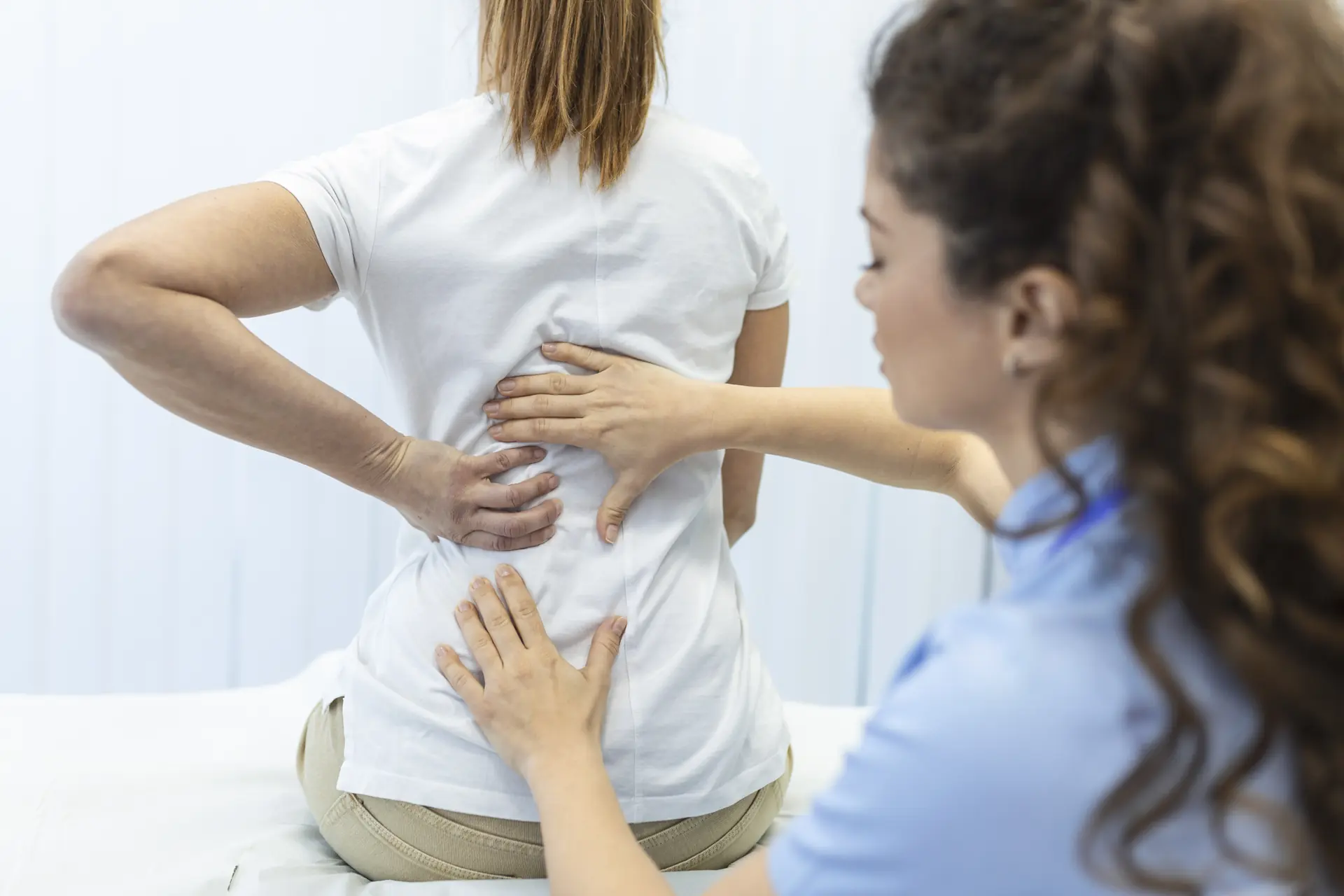
A slipped disc (also called herniated or prolapsed disc) occurs when the soft inner portion of a spinal disc pushes through the outer layer, potentially pressing on nearby nerves. This can cause significant back pain and sciatica. Our specialist physiotherapy helps reduce symptoms, improve spinal mechanics, and promote healing without surgery in most cases.
How Can We Help Treat Slipped Discs and Bulges
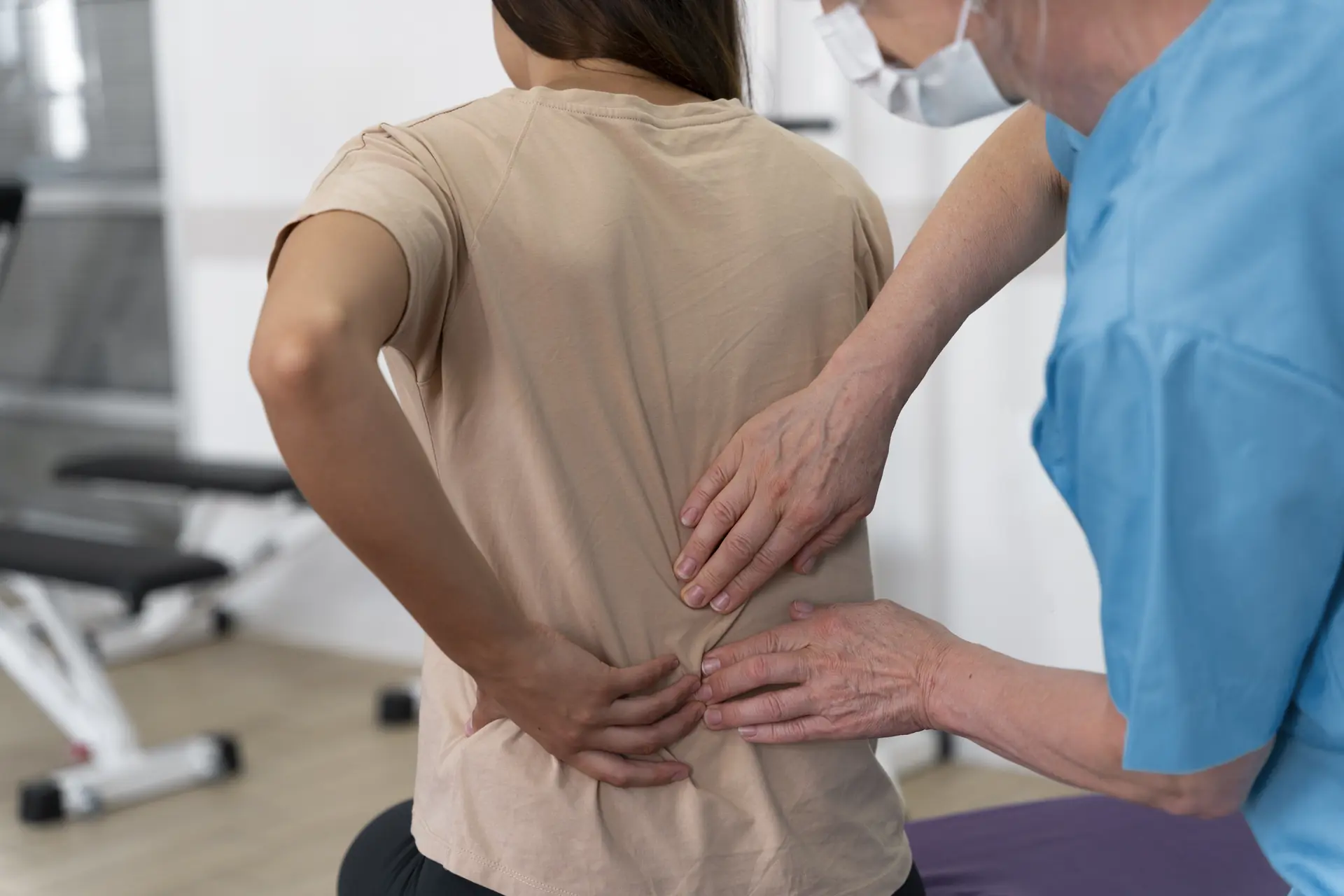
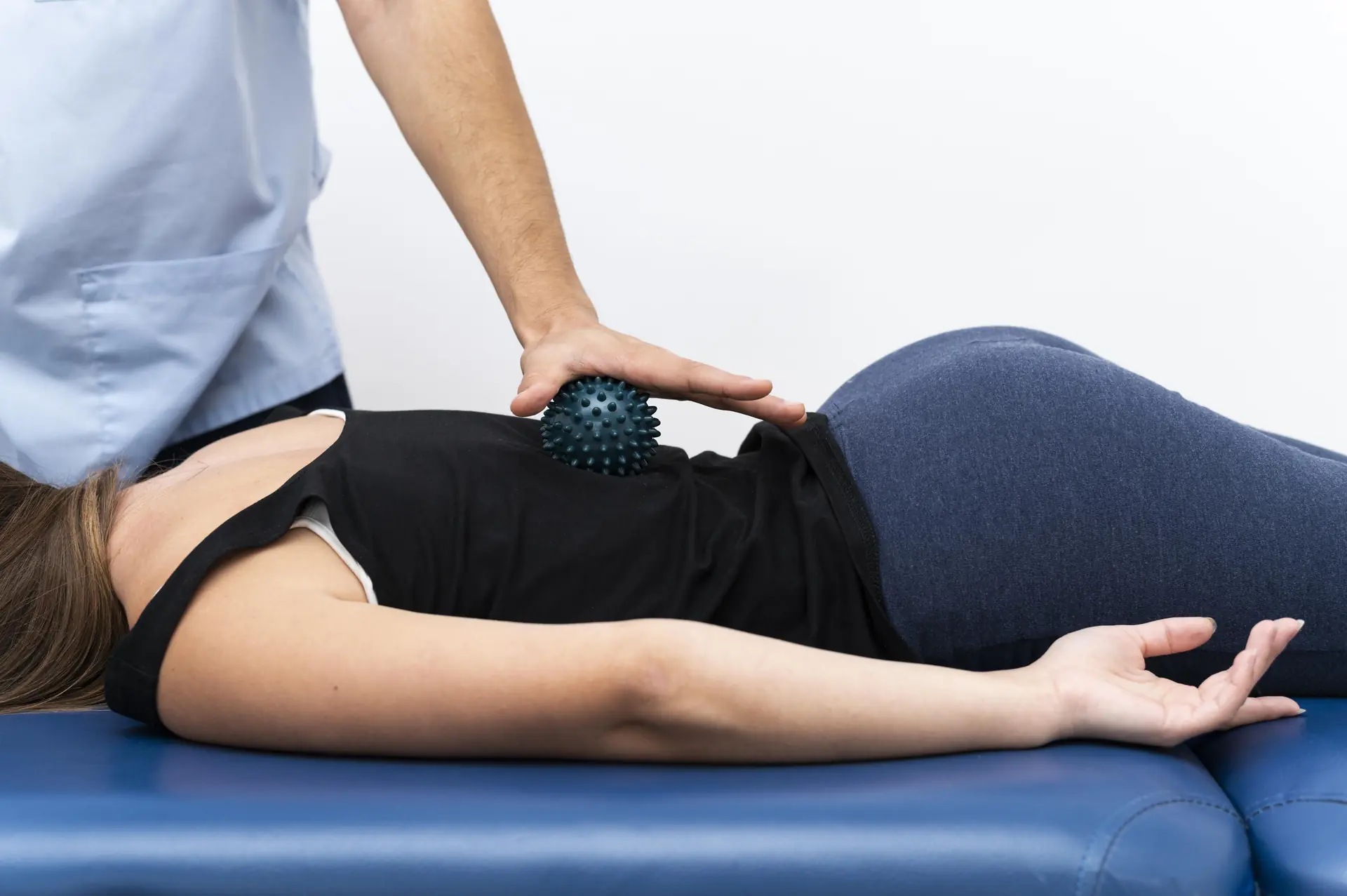
Our disc treatment focuses on reducing nerve irritation, restoring spinal mobility, and building core strength to support the spine and prevent recurrence.
What you can expect:
- Reduced leg or arm pain
- Improved back mobility
- Resolution of numbness and tingling
- Return to daily activities
- Prevention of recurrence
What Is Slipped Discs and Bulges?
Learn about Slipped Discs and Bulges
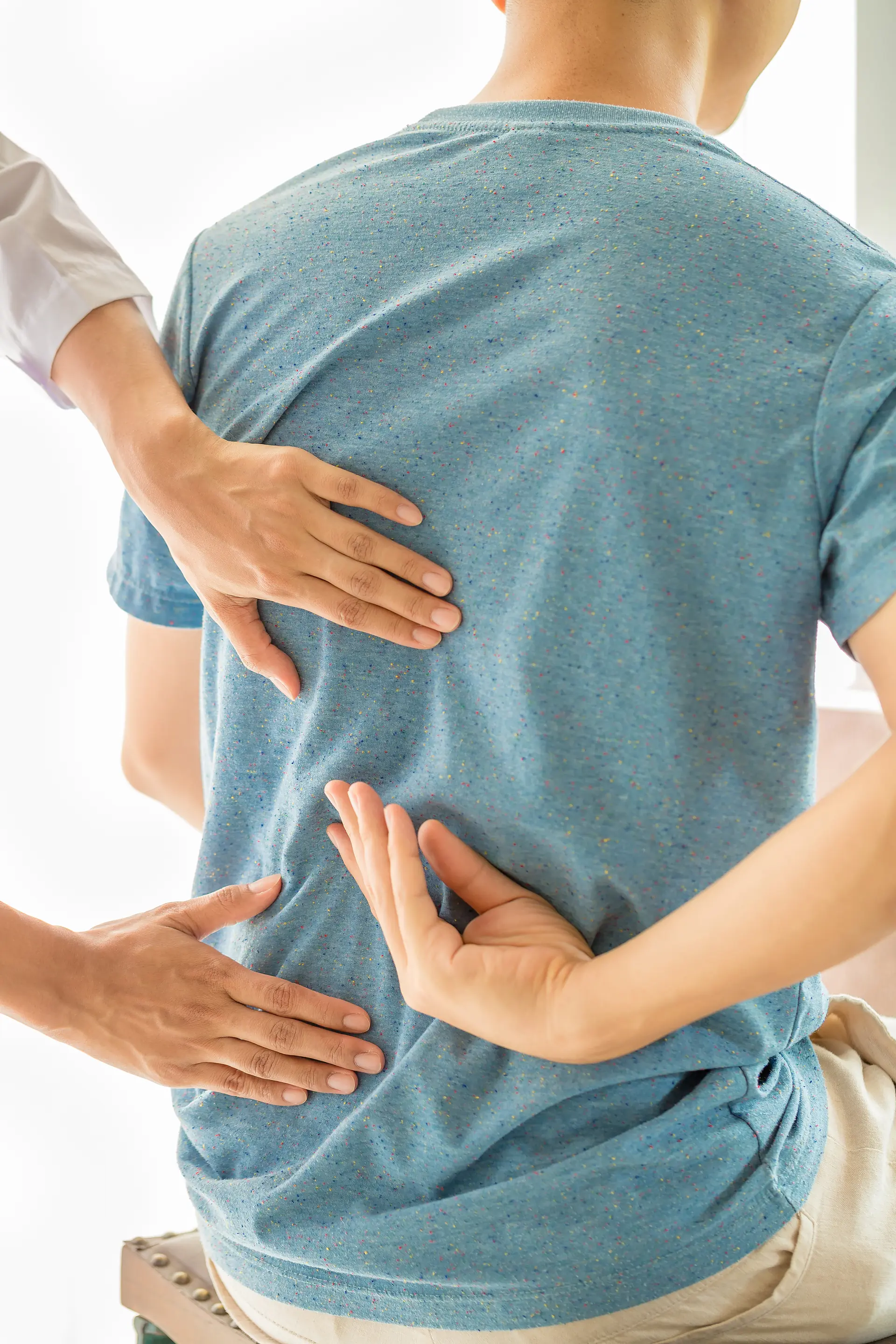
A slipped disc (also called herniated or prolapsed disc) occurs when the soft inner portion of a spinal disc pushes through the outer layer, potentially pressing on nearby nerves. This can cause significant back pain and sciatica. Our specialist physiotherapy helps reduce symptoms, improve spinal mechanics, and promote healing without surgery in most cases.
What Are The Common Symptoms Of Slipped Discs and Bulges?
Slipped Discs and Bulges symptoms vary depending on the underlying issue but may include radiating pain, numbness & tingling, muscle weakness, back or neck pain and more. Pain shooting down the leg (sciatica) or arm. Altered sensation in legs, feet, arms, or hands. Weakness in muscles supplied by affected nerves. At RED Physiotherapy, we carry out a full assessment to understand what structures are involved and how your symptoms are affecting everyday tasks.
What Are The Common Causes Of Slipped Discs and Bulges
Slipped Discs and Bulges can be caused by a range of conditions and mechanical issues. Common causes include:
- Age-Related Degeneration (discs naturally lose water content and become less flexible)
- Heavy Lifting (lifting with poor technique or excessive load)
- Repetitive Strain (repeated bending, twisting, or loading)
- Prolonged Sitting (increased disc pressure from sustained sitting)
- Sudden Trauma (fall, accident, or sudden forceful movement)
- Genetic Factors (family history of disc problems)
At our Milton Keynes, Northampton and Towcester clinics, we see a wide range of slipped discs and bulges cases. Our goal is to diagnose the specific root cause of your pain and guide you through a treatment plan that brings long lasting relief.