
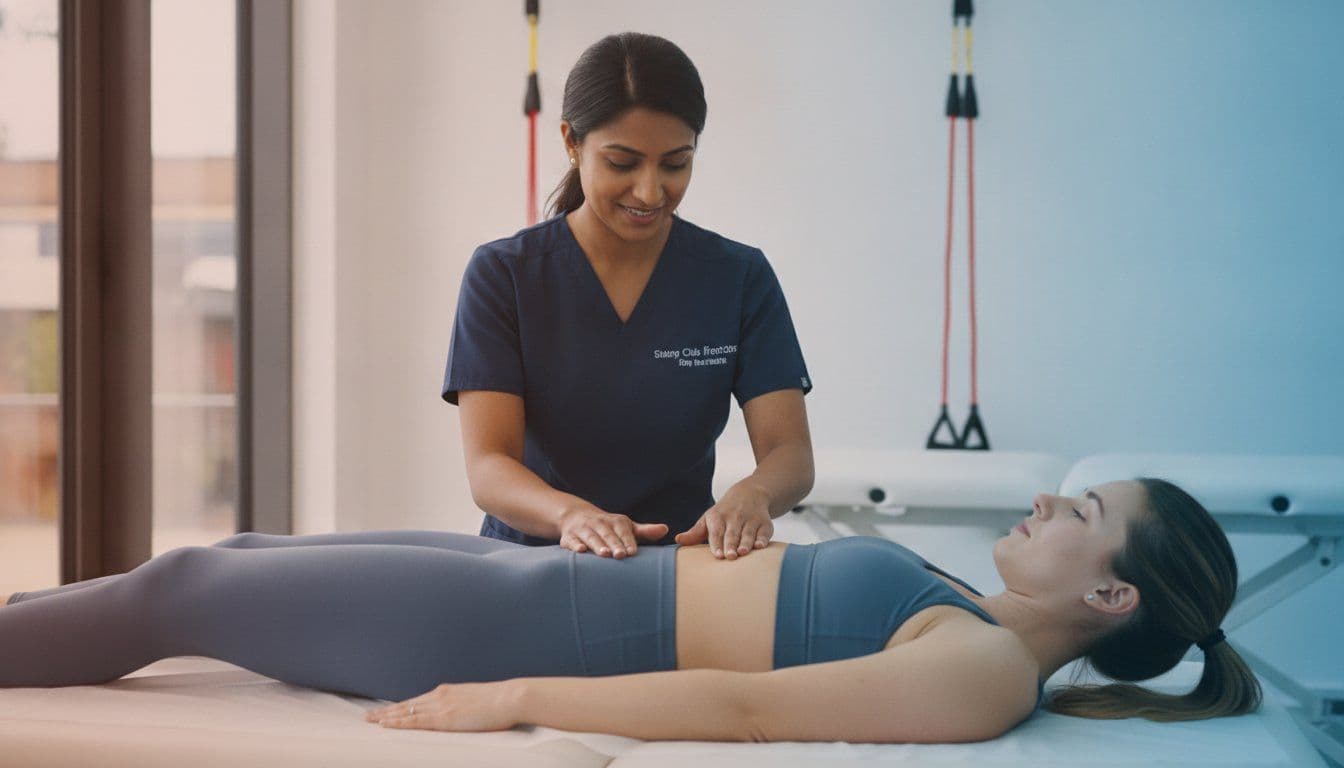
Getting Back to Sport After Having a Baby: The Realistic Guide to Recovery
Getting back to sport after having a baby? Our physio guide helps you return safely, ditching the leaks and aches for good. Real advice beyond the 6 week check.
Your six-week postpartum check-up is a vital medical milestone, but it certainly isn't a performance green light. Many mums find that getting back to sport after having a baby feels like a minefield of conflicting Instagram advice and general medical clearance that doesn't quite match how their bodies actually feel. If you've ever felt a bit leaky during a jog or worried that your core might never feel solid again, you aren't alone. In fact, research from 2024 shows that only 31% of women receive the correct advice about returning to running, which is a statistic we're determined to change.
We know you're itching to swap the nappy bag for your gym kit, but rushing back without a plan often leads to frustration or physical setbacks. This guide provides an honest, evidence based roadmap to help you return to the sports you love without the leaks, aches, or heaviness. I will explain how we bridge the gap between basic recovery and full athletic performance, focusing on fixing abdominal separation and building a foundation that lasts. From your first post baby run to joining in with your local team, here is how to get your strength back properly.
Key Takeaways
- Understand why the standard six week check up is a medical clearance rather than a sign that you are ready for the pitch or the court.
- Learn why getting back to sport after having a baby requires a foundation built on pressure management, moving far beyond basic kegels or closing a gap in your abdominals.
- Discover the specific load tests you can perform at home to check if your body is truly ready for the impact of running.
- Find out how to use graduated loading and sport specific drills to ensure your first game back doesn't end in a setback or injury.
- See how hands on physiotherapy from day one can help you return to your passions faster than generic exercise sheets ever could.
The 6-Week Myth: Why Getting Back to Sport Takes More Than a GP Check
We see it all the time in our clinics. A new mum walks in; clutching her six week sign off from the GP; ready to hit the treadmill or the netball court. While that check up is a vital part of the postpartum period; it is essentially a medical green light to ensure you are stable. It checks your blood pressure; your stitches; and your mental health. It doesn't; however; test whether your pelvis can handle the force of a sprint or if your core can manage the pressure of a heavy lift. Getting back to sport after having a baby requires a transition from being medically "cleared" to being functionally "ready."
Many women feel like an athlete trapped in a stranger's body during these early months. Your brain remembers how to pivot and jump; but your muscles and ligaments are still dealing with the hormonal hangover of relaxin. This hormone stays in your system for months; particularly if you are breastfeeding; and it makes your joints significantly more lax. Jumping back into high impact sport too soon isn't just about "getting fit"; it's about protecting joints that currently lack their usual structural support. You aren't just out of practice; your internal scaffolding has literally changed.
What Your GP Might Have Missed
A standard GP check usually involves a quick feel of the abdomen to check for separation. While helpful; it isn't a functional core assessment. We need to see how those muscles actually behave when you move. We also look at pelvic floor tension. Contrary to popular belief; a "leaky" pelvic floor isn't always weak; sometimes it is too tight and fatigued; which ruins your performance. If you have old sporting injuries; these often flare up now because your biomechanics have shifted during pregnancy. A quick poke at your tummy doesn't tell us how your hip or back will cope with a 5k run.
Healing Timelines You Can Actually Trust
Soft tissue healing follows a biological schedule that we simply cannot rush. While you might feel "fine" at six weeks; your internal fascia and ligaments are often still in the early stages of remodeling. The 12 week mark is generally the real milestone for returning to impact sports like running. Every running stride requires your body to absorb roughly three times your body weight. You wouldn't expect a broken leg to be "sport ready" in six weeks; so why expect it of your pelvic foundation? At our clinics in Towcester and Milton Keynes; we provide hands on physiotherapy from day one to ensure your recovery is based on your actual physical capacity; not just a date on the calendar.
Rebuilding the Foundation: Core and Pelvic Floor Beyond the Basics
Most women are told to "just do your kegels" and wait for things to tighten up. If only it were that simple. Your pelvic floor doesn't work in isolation; it functions as part of a sophisticated pressure system alongside your diaphragm and deep abdominal muscles. Think of it like a piston. When you breathe and move; this system manages the internal pressure of your trunk. If one part of the piston is slightly out of sync; you'll feel it when you try getting back to sport after having a baby. This is often why mums experience that annoying shoulder tip pain or a nagging lower back ache. Your body is trying to find stability elsewhere because the foundation isn't quite holding its own yet.
To truly get back to your best; we have to move beyond basic contractions. A hands on women’s health physiotherapy assessment is the only way to see how this system is actually performing under load. We don't just give you a sheet of exercises and send you on your way. We use manual therapy and real time feedback to ensure your core is actually engaging when you need it most.
Diastasis Recti: Closing the Gap and Restoring Power
Diastasis recti; or abdominal separation; affects a huge number of women. A 2026 study found that the overall prevalence of diastasis recti in the postpartum population was 56.6%. It is incredibly common; but "fixing" it isn't just about how many fingers you can fit in the gap. It is about the tension of the tissue between the muscles. If you see a "doming" or "coning" shape when you sit up; traditional sit ups are the last thing you should be doing. We focus on realigning the trunk so you can transfer power through your core again. Without this; you'll never get the full "snap" back in your golf swing or the force behind a tennis serve.
The Pelvic Floor in Motion
You might find that you can do your exercises perfectly while lying on the sofa; but you still leak the moment you try a star jump. This happens because the pelvic floor needs to be reactive. While Mayo Clinic's guide to postpartum exercise provides a solid starting point for general movement; athletes need to progress to standing and moving drills quickly. We often teach "The Knack"; which is a well timed; functional contraction just before you cough; jump; or lift. It is a practical way to manage pressure and protect your foundation. If you are struggling with these basics; a quick chat with our team during a postnatal assessment can help identify exactly where the system is failing.
The Return to Running Checklist: Are You Ready for Impact?
If you have been counting down the days until the 12 week mark; you aren't alone. However; reaching that date doesn't automatically mean your body is ready to absorb the impact of the pavement. The 2019 Postnatal Return to Running Guidelines are the gold standard we use to decide if getting back to sport after having a baby is safe for you right now. These guidelines aren't just about "feeling okay"; they are about proving your tissues can handle the load. Many competitive athletes find this frustrating; but following a structured path is the fastest way to avoid a long term injury that keeps you on the sidelines even longer.
Before you lace up your trainers; you need to pass a few physical tests. We look for "functional readiness"; which means your muscles can support your joints during high force movements. This is why getting expert advice for returning to sports postpartum is so valuable; it moves you away from guesswork and toward a concrete plan. Beyond the physical; there is often a psychological barrier to overcome. It is perfectly normal to feel a "fear of movement" after birth. You might worry about things "falling out" or causing permanent damage. We use hands on treatment to help you trust your body again; showing you that you are much stronger than you feel.
Five Signs You Are Ready to Run
You can try these simple load tests at home to see where you stand. If you experience any pain; leaking; or heaviness; it is a sign that your foundation needs more work before you add speed.
- No heaviness: You should have zero dragging or pressure sensations in the pelvic area during daily life.
- The 30 minute walk: You can walk briskly for half an hour without any pain or leaking.
- Impact readiness: You can jog in place or hop for one minute without needing the loo immediately.
- Single leg balance: You can perform a controlled single leg squat without your knee collapsing inward.
- Strength: You can complete 20 repetitions of calf raises and glute bridges with good form.
Why Gait Analysis Matters Post-Pregnancy
Your centre of gravity shifted significantly during pregnancy; and your brain has likely adapted to a different way of moving. This often leads to "energy leaks" in your running form; where your hips drop or your feet over-pronate; leading to knee or hip pain. A professional running assessment in Northampton allows us to catch these issues before they become chronic injuries. By looking at your stride; we can identify exactly which muscles aren't pulling their weight. Our Milton Keynes running analysis services are designed to get you back to your personal best with a gait that is efficient; powerful; and; most importantly; pain free.
Practical Advice for the First Game Back
The first whistle is an emotional moment. After months of nappy changes and broken sleep; standing on the edge of the pitch feels like reclaiming your identity. However; getting back to sport after having a baby involves more than just showing up and hoping for the best. If you haven't played netball or hockey for a year; your brain will try to play at 100mph while your body is still stuck at 20mph. Rushing into a full 60 minute match is the quickest way to end up back on my treatment table with a calf tear or a flared up back. Start with one quarter. Build the load gradually so your tissues can adapt to the sudden stops and starts of competitive play.
You also need to prepare for the specific demands of your sport. Running in a straight line is one thing; but pivoting; twisting; and jumping create massive spikes in intra-abdominal pressure. Before that first game; spend a few weeks practicing these movements in a controlled environment. If you notice any leaking during a sudden change of direction; don't just "brave it out." While leakage is incredibly common; it is never normal. A 2025 study of elite athletes showed that 43.7% experienced pelvic floor symptoms; so you are in good company; but it is a sign that your pressure system needs a bit more fine tuning before you go all out.
If you are breastfeeding; timing is everything. Feed or pump right before you head out to avoid discomfort and "leaking" of a different kind. A high quality; supportive sports bra is non negotiable; as your breast tissue is heavier and more prone to strain now. Keep your hydration levels high; as your body is working double time to produce milk and fuel your performance. If you feel unsure about your readiness; book a sport specific assessment at our Milton Keynes or Towcester clinics to ensure you are truly game ready.
The Warm-Up That Actually Works
Activation is key to a safe return. A five minute jog around the court won't cut it for a postnatal body. You need to wake up your glutes to take the pressure off your lower back and knees. Focus on dynamic stretches for your hips and thoracic spine. This area often gets incredibly stiff from carrying a baby; and if your mid back doesn't move; your lower back has to overwork. Spend ten minutes on mobility before you even touch the ball.
Listening to Your Body’s Red Flags
Learn to distinguish between "good" muscle ache and "bad" joint pain. A bit of heaviness in the legs is expected; but a dragging sensation in your pelvis or sharp pain in your hip is a signal to stop immediately. Watch out for shoulder tip pain too; it is often referred pain from your diaphragm when your core is struggling with the internal pressure. Rest days are just as important as training days; so don't be afraid to take a break. Your body does its best rebuilding work while you sleep.
How RED Physiotherapy Fast-Tracks Your Return to Sport
We don't believe in the "here is a sheet of exercises; see you in a month" approach. Getting back to sport after having a baby is far too important for generic advice. At RED Physiotherapy; we provide hands on treatment from your very first visit. Whether you are visiting us in Milton Keynes; Northampton; or Towcester; our goal is to fix the underlying problem rather than just masking the symptoms. We treat the body as a whole system; ensuring that your return to the pitch or the gym is built on solid ground. We know you want fast; effective results; and we have the expertise to deliver them without dragging out your treatment plan.
Our philosophy is simple. We combine clinical authority with a warm; person centered approach. We don't just look at where it hurts; we look at why it hurts. This might involve checking your lifting technique; your running gait; or how your core manages pressure during a tennis serve. By identifying these "energy leaks" early; we can prevent setbacks and get you back to your personal best. If you are tired of conflicting advice and want a straight talking; evidence based plan; you are in the right place.
Expert Care in Your Local Community
Our clinical directors lead a team that genuinely understands the demands of an active lifestyle. We are a family run business; which means we care about your results as much as you do. You aren't just another patient on a list; you are an active partner in your own progress. One of the biggest frustrations we hear about is the long NHS wait times for postnatal care. We help you skip the queue and get started immediately; providing the high level; specialized support that every new mum deserves. We are approachable; grounded; and intensely focused on helping you reach your full physical potential.
Your Personalized Recovery Roadmap
Your journey begins with a deep dive into how your body is actually moving. In your first session; we use advanced diagnostic tools like musculoskeletal ultrasound for pain to see exactly what is happening beneath the surface. This clarity allows us to combine manual therapy with a bespoke plan that fits your specific sporting goals. We are completely transparent about our pricing and plans; so you always know exactly what to expect. Don't wait for the pain to stop you. Let's get you moving today. Book your Women’s Health assessment and let's start your roadmap back to the sport you love.
Take the First Step Back to the Pitch
Getting back to sport after having a baby shouldn't feel like a guessing game or a series of frustrating setbacks. We have explored why that six week check up is only the beginning and how a functional foundation is the secret to staying leak free and powerful. Whether you are aiming for a local parkrun or a competitive netball season; your recovery deserves more than a generic exercise sheet or a "wait and see" approach. You've done the incredible work of growing a human; now it's time to focus on restoring the athlete within.
At RED Physiotherapy; we pride ourselves on providing hands on treatment from day one to ensure you see real results quickly. Our expert Women's Health specialists are here to bridge the gap between medical clearance and peak performance. With convenient clinics in Milton Keynes; Northampton; and Towcester; high performance care is right on your doorstep. Book Your Postnatal Sports Assessment at RED Physiotherapy and let's get you back to the activities that make you feel like you again. You are in safe hands; and we can't wait to see you back in action.
When to Seek Help
While a bit of muscle soreness is part of the process; certain symptoms are clear signals that your body needs a professional hands on assessment. You should seek help if you experience a dragging sensation or heaviness in the pelvic area; as this can be a sign of pelvic organ prolapse. Sudden or sharp pain in your hips; back; or pelvic girdle that doesn't settle with rest also requires attention. We are here to help you navigate these challenges safely.
You should also get in touch if you notice persistent leaking when you cough; sneeze; or run. This is a sign that your foundation isn't managing internal pressure correctly. If you see "doming" or a visible ridge along your stomach during exercise; it suggests your abdominal separation needs a more tailored approach. At our clinics in Milton Keynes; Northampton; and Towcester; we use manual therapy to address these issues efficiently so you can get back to the sports you love without worry.
Frequently Asked Questions
When can I start doing sit ups after having a baby?
You should generally avoid traditional sit ups until your core can manage internal pressure without "doming" along your midline. This usually means waiting at least 12 weeks and ensuring your deep abdominal muscles are firing correctly first. Rushing into crunches too early can actually make abdominal separation worse. We prefer starting with functional movements that build strength without straining your healing tissues.
Is it normal to leak a little bit when I jump or run post pregnancy?
Leaking is common; but it is never normal. It is a clear sign that your pelvic floor and core aren't managing the pressure of the activity correctly. If you experience this while getting back to sport after having a baby; it means your foundation needs more work. We fix this with hands on treatment and specific drills rather than just telling you to do more kegels at home.
How do I know if I have diastasis recti (abdominal separation)?
You can check by lying on your back with knees bent and gently lifting your head to see if a gap or "ridge" appears along your tummy. However; the width of the gap matters less than the tension and "springiness" of the tissue underneath it. A 2026 study found that 56.6% of postpartum women have some separation. For a proper diagnosis; a professional assessment is much more reliable than a DIY finger test.
Can I go back to high impact sports if I had a C section?
Yes; you can absolutely return to high impact sport after a C section. You must remember that it is major abdominal surgery; so your timeline might be slightly different as the scar tissue matures. We use manual therapy to ensure the scar is mobile and isn't restricting your core engagement. Once the underlying muscles are strong and the scar is healed; you can pivot and jump with confidence.
What is the best exercise to start with in the first few weeks after birth?
Brisk walking and deep diaphragmatic breathing are the best starting points for your recovery. These low impact activities help restore your "pressure system" without overloading your healing ligaments. Aim for the moderate activity levels recommended by experts; but start in small five or ten minute chunks. It is about consistency and gentle movement rather than hitting the gym for a heavy session too soon.
Why does my back hurt more now that I’ve started exercising again?
Your back is likely overworking because your core and glutes aren't yet strong enough to support your movements. When you start getting back to sport after having a baby; your body often finds "cheats" or compensations to get the job done. This puts extra strain on your lower back. We look at your whole biomechanics to find these energy leaks and fix the root cause; not just the ache.
Do I need a referral to see a private physio in Milton Keynes or Northampton?
No; you do not need a GP referral to see us at our clinics in Milton Keynes; Northampton; or Towcester. You can book directly with us to skip the long NHS waiting lists and get hands on treatment immediately. We are a family run practice; so we can start your recovery roadmap the moment you feel ready. This means you get back to the sports you love much faster.
How long will it take until I feel like my "old self" in my sport?
It usually takes between six to twelve months to feel truly like your "old self" as an athlete. While you might be back on the pitch or the court much sooner; your tissues and hormones take time to fully stabilize. Be patient with the process. With a structured plan and professional guidance; you might even find you become a stronger and more efficient athlete than you were before pregnancy.
Focus Keywords
- getting back to sport after having a baby
- women’s health physiotherapy
- running assessment
- diastasis recti
- postnatal recovery
- Milton Keynes physiotherapy
- Northampton physiotherapy
- Towcester physiotherapy
Tags:
About the Author
Red Physiotherapy Team
Content Team
Health and wellness content from the RED Physiotherapy team.