Pelvic Organ Prolapse Treatment in Northampton: Expert Hands-on Care
Find expert pelvic organ prolapse treatment in Northampton. Our hands-on care helps you manage symptoms and get back to life without long NHS waits.
Imagine you’re finally ready to head out for your Saturday morning run at Abington Park, but that familiar, heavy sensation makes you stop before you’ve even reached the end of the driveway. For many women across Northamptonshire, this "bulge" or dragging feeling isn't just a physical nuisance. It is a thief that steals your confidence and keeps you tethered to the sofa while everyone else stays active.
You have likely been told to "just do your Pelvic Floor exercises" or, even more frustratingly, to simply wait and see if it gets better on its own. It is exhausting to feel like your body is pulling a fast one on you while you sit on a lengthy waiting list just to be heard. We agree that the "wait and see" approach is simply not good enough when you have a life to lead.
The good news is that specialized pelvic organ prolapse treatment Northampton women can rely on is available right now. At RED Physiotherapy, we ditch the generic exercise sheets in favour of hands-on, expert care that addresses your symptoms from day one. This article will show you how our bespoke clinical approach can help you manage your symptoms, rebuild your strength, and get you back to the activities you love without the anxiety.
Key Takeaways
- Understand the heavy dragging sensation of POP and why it is a common physical challenge that you do not have to just live with.
- Discover how the physical toll of childbirth and menopause affects your pelvic support and what you can do to rebuild that resilience.
- Learn why our hands-on pelvic organ prolapse treatment Northampton beats generic exercise sheets by providing expert manual therapy from your very first appointment.
- Master simple lifestyle tweaks and breathing techniques that you can start using today to immediately reduce pelvic pressure.
- Find out how to bypass long NHS wait times and access a bespoke recovery plan that gets you back to the activities you love.
Understanding Pelvic Organ Prolapse in Northampton
If you have ever felt a strange, dragging sensation in your pelvic area, you might have worried that something is "falling out." It is a frightening thought, but I want to reassure you right now that you are not alone. Research suggests that up to 50% of women who have had children will experience some degree of prolapse. Despite how common it is, many women suffer in silence for years before seeking pelvic organ prolapse treatment Northampton. Waiting only leads to more frustration and missed gym sessions, so let's clear up the mystery and get you back to feeling like yourself again.
That heavy or dragging feeling isn't in your head. It is a physical response to gravity. When the support structures in your pelvis aren't holding things quite where they should be, the weight of your internal organs can create a sense of pressure that worsens as the day goes on. Understanding Pelvic Organ Prolapse is the first step toward regaining your confidence and your active lifestyle. Pelvic organ prolapse is a physical support issue that can be managed effectively with the right hands-on care.
What exactly is happening down there?
Think of your pelvic floor as a sturdy, flexible hammock. This muscular sling is responsible for keeping your bladder, uterus, and bowel tucked neatly in place. When the muscles or the connective tissues called ligaments become overstretched or weakened, that hammock starts to sag. This allows one or more of those organs to shift downward, bulging into the vaginal wall. It isn't a "disease" or a sign that your body is broken; it is a mechanical shift in how your internal structures are supported. Whether the shift involves your bladder or your uterus, the goal of our pelvic organ prolapse treatment Northampton is to restore that essential support through targeted, expert intervention.
Common signs you should not ignore
Many women describe the most common symptom as feeling like there is a small plum or a tampon that hasn't been inserted properly sitting inside them. It is a distinct physical presence that you shouldn't just "learn to live with." You might notice that this sensation is barely there when you wake up, but by the time you've finished a long day at the office or a heavy session at the gym, the pressure feels significantly more intense. This is because your muscles fatigue over the course of the day.
- A persistent ache in your lower back that doesn't seem to have a clear cause.
- A visible or palpable bulge at the vaginal opening.
- Difficulty emptying your bladder or bowel completely.
- A feeling of heaviness that increases after lifting or long periods of standing.
That nagging lower back ache is often a direct result of your pelvic floor health. When your internal "suspension system" isn't firing correctly, your back muscles often try to compensate, leading to a cycle of discomfort. Addressing the root cause early prevents this cycle from becoming your new normal.
Why POP happens and why it is more common than you think
If you feel a heavy sensation or like something is "falling down," you aren't alone. In fact, clinical data suggests that up to 50% of women who have given birth will experience some degree of prolapse in their lifetime. It is a physical reality, not a personal failing. Why Pelvic Organ Prolapse Happens often comes down to a combination of life events that stretch or weaken the pelvic ligaments. Pregnancy and vaginal childbirth are the primary drivers, but the menopause transition plays a massive role too. When oestrogen levels drop, your tissues lose that vital elasticity and support. It is a total myth that this is just "part of getting older" that you have to endure. Effective pelvic organ prolapse treatment Northampton focuses on restoring that lost support through hands-on therapy and smart mechanics.
The toll of the Northampton office commute
Many of our patients spend their mornings stuck in traffic on the A45 or sitting at a desk in Northampton town centre. Prolonged sitting is a silent contributor to pelvic pressure. When you slouch for eight hours, your abdominal contents press directly down onto the pelvic floor. This constant loading can make symptoms feel much worse by the time you head home. We don't just give you a list of exercises; we look at your desk setup and your posture to reduce that daily strain. Managing your core stability is about more than just "doing planks." It is about how you sit, breathe, and move throughout your workday. If you are worried about how your job is affecting your health, you can find more details on our pelvic health conditions page.
Active lives and pelvic pressure
We love seeing active people in the clinic, but sometimes your gym routine works against you. High-impact sports or heavy lifting can spike intra-abdominal pressure. If your pelvic floor isn't ready to meet that demand, it gives way. Powering through the pain is never the best strategy. It usually leads to longer recovery times and more frustration. We teach you how to manage that pressure so you can keep doing the things you love without the fear of making things worse. Our goal for pelvic organ prolapse treatment Northampton is to get you back to your peak performance, whether that is a 5k run or just lifting your grandchildren without worry. We focus on:
- Identifying specific movements that trigger your symptoms
- Teaching "pressure-safe" lifting techniques
- Building functional core strength that supports the pelvic organs
- Providing hands-on treatment to release tight, overcompensated muscles
You don't have to settle for a life of "managing" symptoms. With a clear, bespoke plan, you can regain control and confidence in your body's ability to support you.
Why hands-on physiotherapy beats the exercises-only approach
We've all been there. You wait weeks for an appointment, only to be handed a generic, photocopied exercise sheet and sent on your way. It's frustrating and often feels like a "one size fits all" brush-off. At Red Physiotherapy, we don't believe in generic fixes. Your body is unique, and your pelvic organ prolapse treatment Northampton should be too.
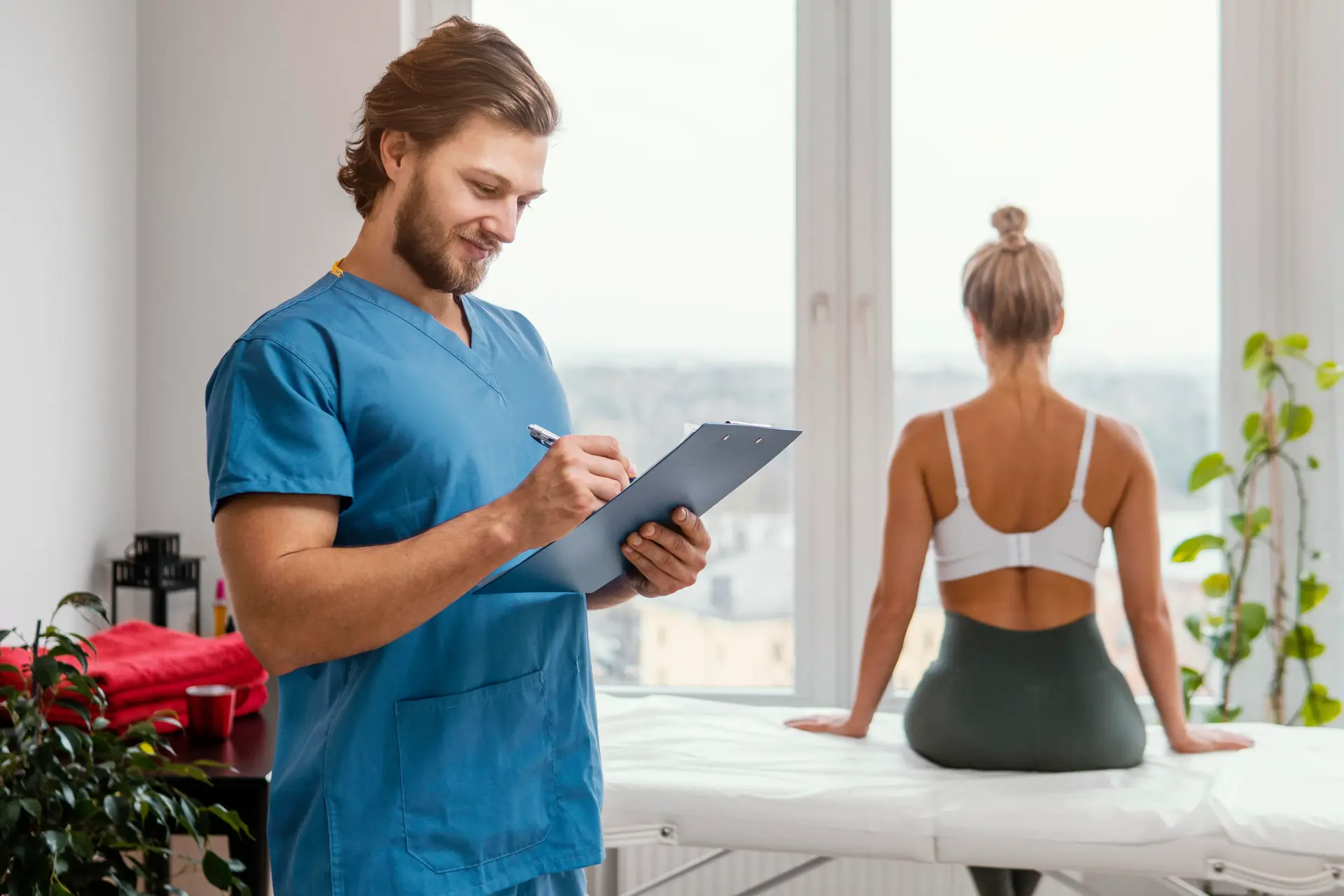
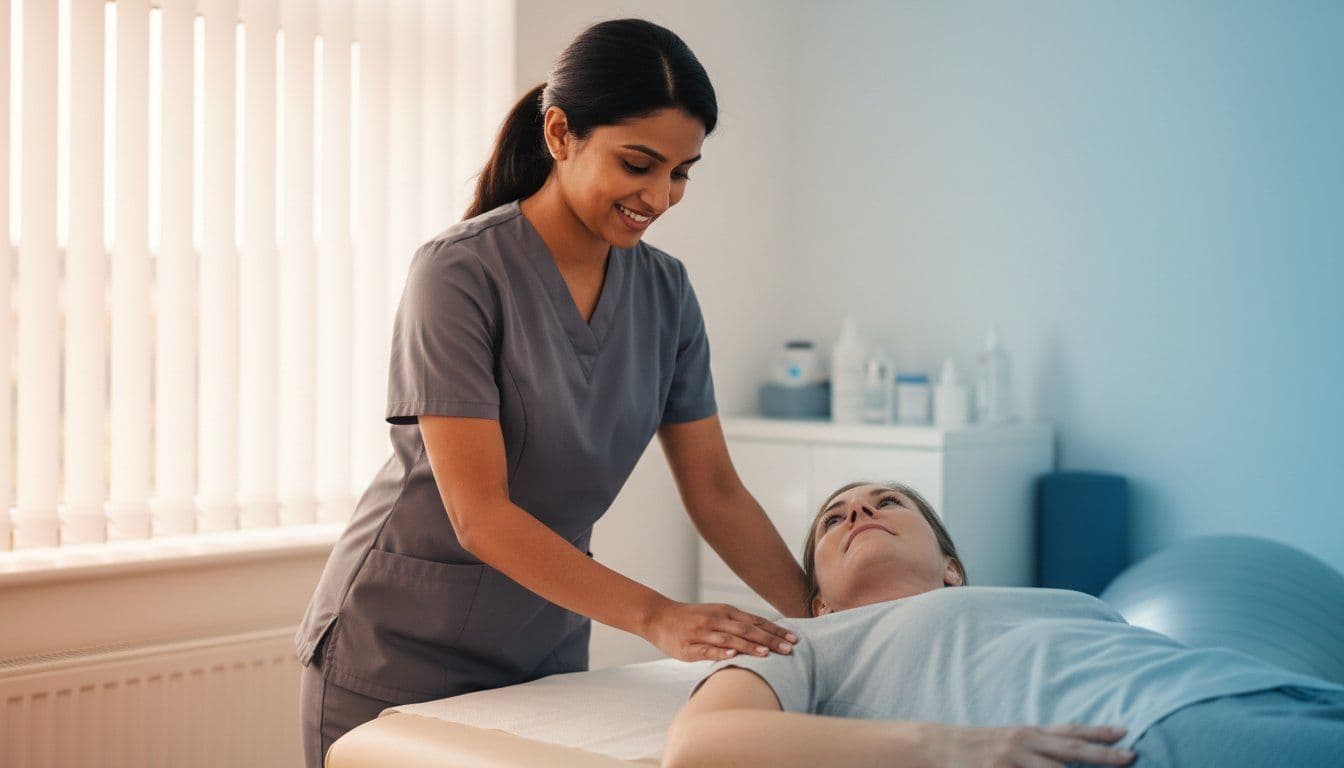
Our RED philosophy is simple: we provide hands-on treatment from your very first session. We don't just tell you what to do; we help your body remember how to move. Manual therapy helps to "reset" the pelvic area, releasing tension in surrounding muscles and providing the structural support you need to start your recovery journey with confidence. A bespoke plan is the only way to move past the symptoms and get back to the activities you love without fear or hesitation.
The myth of the "just do your Kegels" fix
The advice to "just do more Kegels" is often well-meaning but can be completely wrong for your specific situation. If your pelvic floor muscles are overactive or "tight," doing more strengthening exercises is like trying to flex a muscle that's already cramped. It won't work, and it might even increase your discomfort. We take the time to assess your specific biomechanics to find the root cause of the pressure rather than just treating the surface symptoms.
We look at everything from your posture to your breathing patterns. If you've been looking for a Physiotherapist Near Me, you deserve someone who sees the whole picture. By understanding how your hips, back, and core interact, we can create a strategy that actually works. We've seen that 80 percent of patients who receive a tailored, biomechanical assessment report better long-term outcomes than those following a standard exercise list.
What hands-on treatment actually looks like
Hands-on care isn't just a buzzword. It involves specific soft tissue work and joint mobilisation to ensure your pelvis and spine are moving as they should. When your joints are stiff, your pelvic floor has to work twice as hard to compensate. By addressing these issues manually, we reduce the overall load on your system. This is a vital part of the various treatment options for pelvic organ prolapse available today.
We also use diagnostic ultrasound in our sessions. This allows us to see exactly what is happening in real-time. You can watch the screen and see your muscles engaging, which provides immediate feedback that no exercise sheet can match. This visual data helps you perfect your technique instantly. It's about empowering you with knowledge and physical results, ensuring you feel supported every step of the way. This tailored approach is why our pelvic organ prolapse treatment Northampton delivers long-term autonomy rather than just a short-term fix.
Practical steps to manage your symptoms today
You don't have to wait for your first appointment to start feeling better. While our hands-on pelvic organ prolapse treatment Northampton focuses on the physical mechanics, these daily shifts help manage that heavy, dragging sensation immediately. It's about reducing the internal pressure that makes symptoms feel worse than they need to be.
Breathing is your secret weapon. Many of us hold our breath when lifting a kettle or chasing the kids, which sends a massive spike of pressure straight down onto your pelvic floor. Try exhaling on the effort; blow as you go. This simple switch helps the diaphragm and pelvic floor work together instead of against each other. It's a small change that makes a massive difference to how your body handles load.
The "Knack" is another lifesaver. It's a quick, well-timed contraction of your pelvic floor muscles just before you cough, sneeze, or lift. It braces the area and prevents that sudden descent of the organs. Think of it like putting on a seatbelt before the car moves; it prepares your body for the impact so your internal support system doesn't get caught off guard.
Daily habits to reduce pelvic pressure
Constipation is the enemy of a happy pelvic floor. Straining on the loo puts more pressure on your internal tissues than a heavy squat ever would. We recommend using a small footstool to get your knees above your hips, which straightens the exit route and stops the struggle. Keeping your hydration levels up is non-negotiable for keeping things moving without the effort.
How you sit and stand affects your internal support daily. Avoid slouching into soft sofas for hours or standing with your knees locked tight. Optimal pelvic posture means keeping your ribs stacked directly over your pelvis with a soft, neutral spine that avoids both the "slump" and the "military" arch. This alignment allows your core muscles to support your organs naturally without constant muscular effort.
Lifting and exercise modifications
We never tell our patients to stop exercising; we just adapt the load to suit your current stage of recovery. If you're a parent, get close to your child before picking them up and use your legs rather than your back. For the gym-goers, swap high-impact running or heavy overhead presses for swimming or seated resistance work during a flare-up. This keeps you active without overstressing the pelvic floor. If you find your symptoms overlap with lower back or hip issues, you might also want to read about sacroiliac joint pain to see how these areas interact. Our goal is to keep you moving while we work on the underlying tissue health.
If you're tired of guessing which exercises are safe and want a clear path forward, book a consultation with our team for a bespoke recovery plan.
When to seek help and how RED Physiotherapy supports Northampton
Deciding to seek professional help is often the most significant hurdle on the road to recovery. You might have been told that a bit of "heaviness" or occasional leaking is just a normal part of getting older or a standard result of childbirth. We are here to tell you that it isn't. If your symptoms are stopping you from running, lifting your children, or simply walking to the local shops, it's time to act. Professional pelvic organ prolapse treatment Northampton isn't just about managing a condition; it's about reclaiming your active lifestyle without the constant worry of discomfort.
Knowing when it is time for professional intervention
Certain red flags mean you should book an assessment sooner rather than later. If you notice a visible or palpable bulge, experience recurring urinary tract infections, or feel a persistent "dragging" sensation that worsens by the end of the day, your body is asking for help. Ignoring these signals rarely works. In our experience, patients who "wait and see" often face recovery times that are 40% longer than those who seek early intervention. Delaying treatment allows compensatory movement patterns to set in, making the rehabilitation process more complex. Our team specializes in identifying these issues early, ensuring you get back to full strength without unnecessary delays.
Your journey to recovery at our Northampton clinic
We understand that NHS wait times can be incredibly frustrating, often leaving you in limbo for months. As a private, family-run clinic, we offer a faster, more personal alternative. You won't be just another number on a list here. From the moment you book, our focus is on providing hands-on pelvic organ prolapse treatment Northampton residents can trust. We don't believe in "exercise-only" protocols that leave you feeling unsupported. Instead, we combine expert manual therapy with a clear, evidence-based plan of action designed for your specific anatomy and goals.
Your first session is all about clarity. We will discuss your history, conduct a thorough physical assessment, and explain the "why" behind your symptoms. You will leave that first appointment with a bespoke roadmap and the reassurance that you are in safe, expert hands. We want to see you back at the gym, on the pitch, or simply enjoying your daily life with total confidence. It is time to stop managing the pain and start fixing the problem. Book your assessment today and take the first step toward a stronger, more resilient you.
Focus Keywords:
- pelvic organ prolapse treatment Northampton
- physiotherapy Northampton
- pelvic floor rehabilitation
- manual therapy Northampton
- women's health physiotherapy
Take Control of Your Recovery and Get Back to Living
Living with the discomfort of prolapse can feel isolating, but it's a condition that affects roughly 50% of women over the age of 50. You don't have to settle for a life of "just managing" or waiting months for an NHS appointment. Real progress happens when you move beyond generic pelvic floor exercises. By choosing a bespoke plan that prioritises hands-on treatment from day one, you address the root cause of your symptoms and build long-term resilience.
Our expert team at RED Physiotherapy specialises in Women’s Health, ensuring you receive clinical expertise in a supportive, family-run environment. We focus on getting you back to the activities you love, whether that's a morning run or simply playing with the grandkids without worry. For effective pelvic organ prolapse treatment Northampton patients can trust, our clinic offers a direct path to recovery with no wait times and a clear plan for your future health.
You're an active partner in this journey, and we're here to provide the elite-level mentorship you need to thrive. Book your expert pelvic health assessment in Northampton today and start your journey back to full physical potential. It’s time to stop worrying and start moving again.
Frequently Asked Questions
Is pelvic organ prolapse permanent or can it be reversed with physio?
You can absolutely improve your symptoms and, in many cases, reduce the grade of a prolapse through targeted pelvic floor rehabilitation. While some structural changes to the connective tissue are permanent, our pelvic organ prolapse treatment in Northampton focuses on strengthening the supportive muscles to lift the organs back toward their optimal position. Clinical data suggests that 70% of women see a significant reduction in symptoms like heaviness or bulging after consistent, hands-on physiotherapy.
Can I still exercise with a prolapse or will it make it worse?
You don't have to stop exercising, but you might need to adapt your routine to protect your pelvic floor while you regain strength. We encourage movement because staying active is vital for your long-term health and resilience. We'll work with you to identify "pressure-safe" exercises, ensuring you can continue lifting weights or running without worsening the prolapse. It's about building the internal support to manage intra-abdominal pressure effectively during the activities you love.
How many sessions of physiotherapy will I need for prolapse treatment?
Most patients see a noticeable improvement in their symptoms within 6 to 12 sessions, depending on the severity of the prolapse. We don't believe in dragging treatment out, so we provide a bespoke plan with clear milestones from your very first visit. Your recovery depends on your specific goals and lifestyle, but our focus is always on providing efficient, hands-on care that produces real results.
Do I need a referral from my GP to see a women’s health physio in Northampton?
No, you don't need a GP referral to book an appointment with our specialist team. Many of our patients choose private pelvic organ prolapse treatment in Northampton to bypass the 18 week wait times often found within the NHS. You can contact us directly to start your recovery journey, allowing us to provide the immediate, expert care you need to feel like yourself again.
What is the difference between NHS physio and private treatment at RED?
The main difference is our commitment to hands-on, manual therapy and the time we dedicate to your recovery. While the NHS often relies on generic exercise sheets and remote consultations, we provide 45 minute, face to face sessions tailored specifically to your biomechanics. As a family-run clinic, we prioritize genuine empathy and immediate action, ensuring you aren't just another number on a waiting list.
Will I need an internal examination during my first appointment?
An internal examination is the gold standard for assessing pelvic floor function, but it's entirely your choice. We use this assessment to understand exactly how your muscles are performing, which helps us create a more accurate and effective treatment plan. If you're uncomfortable, we can start with external techniques and progress only when you feel ready. Your comfort and autonomy are our top priorities throughout every session.
Can physiotherapy help me avoid prolapse surgery in the future?
Yes, physiotherapy is recommended by NICE guidelines as the first-line treatment for mild to moderate prolapse. By improving the strength and coordination of your pelvic floor, we can often manage symptoms so effectively that surgery is no longer necessary. Our goal is to empower you with long-term preventative strategies, helping you maintain your physical potential without the need for invasive procedures.
Is pelvic organ prolapse treatment covered by private health insurance?
Most major UK health insurance providers, including Bupa, AXA, and Vitality, cover our physiotherapy services. We recommend checking your specific policy details to see if women's health or pelvic floor rehabilitation is included in your cover. If you're self-funding, we ensure our care provides excellent value for money by focusing on results-driven treatment that gets you back to your active lifestyle quickly.
Tags:
About the Author
Red Physiotherapy Team
Content Team
Health and wellness content from the RED Physiotherapy team.