
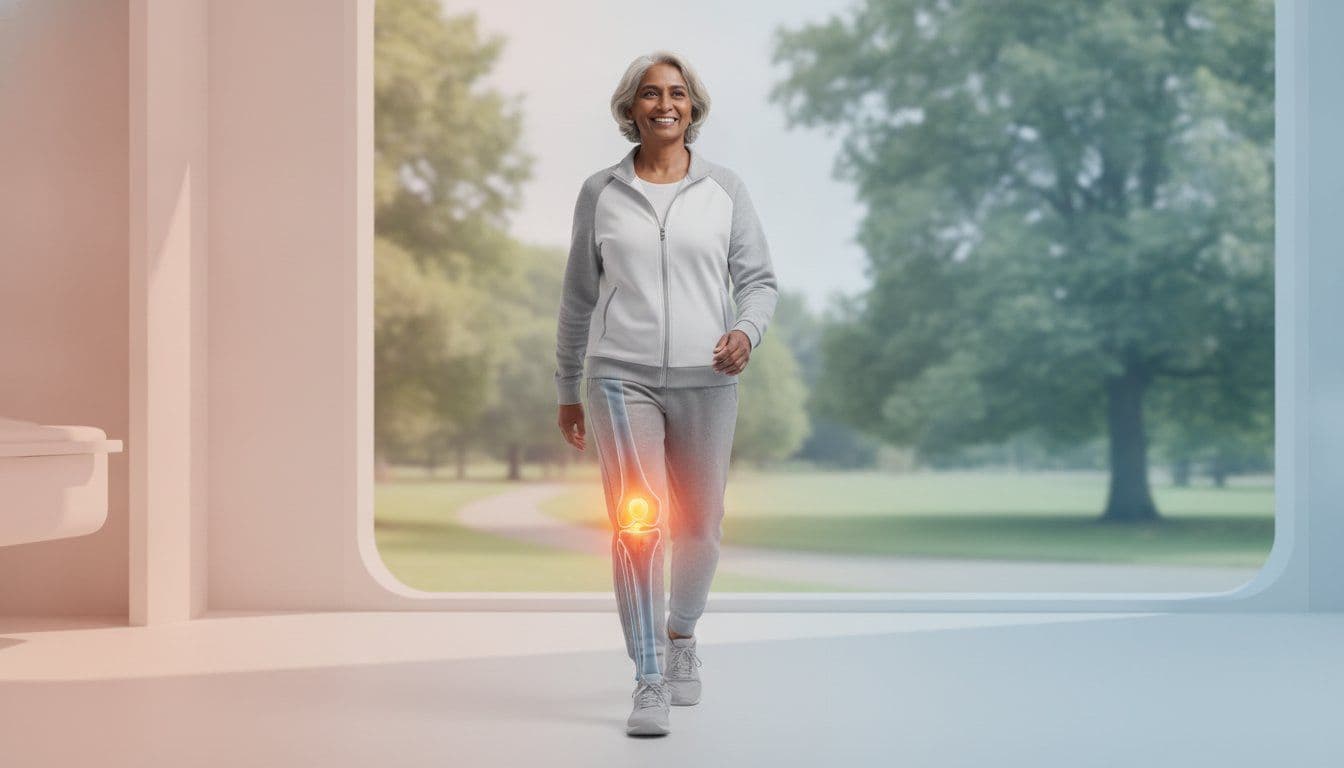
Physiotherapy for Knee Arthritis: Moving Beyond Wear and Tear in 2026
Tired of knee arthritis pain? Our guide to physiotherapy for knee arthritis reveals how hands-on treatment helps you ditch painkillers & avoid the waiting list.
What if the "wear and tear" in your knees wasn't a permanent sentence to the sidelines, but a biological process we can actually influence? For many of the 4.6 million people in England living with this condition, the diagnosis feels like the beginning of the end for their active lives. It's incredibly frustrating when morning stiffness limits your daily walks or makes you fear losing your independence. You've likely heard conflicting advice about whether to rest or exercise, often leaving you stuck in a cycle of pain and inactivity. However, modern physiotherapy for knee arthritis has moved far beyond simple stretches and generic handouts.
At RED Physiotherapy, we know that a "one size fits all" approach simply doesn't work. You deserve a clear plan that prioritises hands-on treatment to restore your mobility and help you manage discomfort without relying solely on painkillers. In this guide, we'll show you how to avoid or delay surgery by focusing on evidence-based strategies that actually work. We'll explore how our expert, family-run team uses specialised techniques to get you back to the hobbies you love, whether that's gardening or long weekend strolls. It's time to stop waiting for a surgery date and start moving toward your full physical potential.
Key Takeaways
- Reframe your understanding of osteoarthritis from "wear and tear" to a proactive "wear and repair" mindset that encourages movement.
- Discover why our hands-on physiotherapy for knee arthritis offers faster results than the standard exercise-only approach found elsewhere.
- Learn the "Little and Often" rule to manage stiffness during the working day and keep your joints healthy without surgery.
- Explore advanced clinical options like Arthrosamid injections that provide a modern alternative for managing chronic knee discomfort.
- Find out how to regain your independence and return to hobbies like gardening or walking without relying on long NHS waitlists.
Understanding Knee Arthritis: Why It’s Not Just 'Wear and Tear'
If you've been told your knees are "bone on bone", please don't panic. It’s one of the most common phrases we hear in our clinics, but it’s often a bit of an exaggeration that causes unnecessary fear. We prefer to think of Osteoarthritis as "grey hair on the inside". It’s a natural, normal part of the ageing process, not a sign that your legs are about to fail you. The old "wear and tear" label is unhelpful because it makes your joints sound like passive bits of plastic that just rub away. In reality, your joints are living tissues. We call it "wear and repair" because your body is constantly trying to adapt and strengthen the area. Effective physiotherapy for knee arthritis is designed to support that natural repair process.
A huge myth we have to bust daily is that "rest is best". When your knee hurts, it’s tempting to stay on the sofa, but arthritic joints actually hate being still. Inactivity is often the real enemy. When you stop moving, the joint gets stiffer, the surrounding muscles get weaker, and the pain usually intensifies. Beyond the typical ache, you might experience swelling or a "locking" sensation when you try to stand. These aren't signs to stop. They're just signals that the joint environment is a bit grumpy and needs a professional, hands-on nudge to get back into a healthy rhythm.
The Anatomy of an Arthritic Knee
While cartilage changes are part of the story, your muscles and ligaments are the real heroes. They act as your knee's personal shock absorbers. Movement helps your joint produce synovial fluid, which acts like a shot of WD-40 to keep things gliding smoothly. It’s also vital to remember that your X-ray or MRI doesn't define you. We often see patients with "severe" scans who are happily hiking, while others with "mild" changes are in significant pain. We treat the person in front of us, not just the picture on the screen.
Common Triggers for Knee Flare-ups
Flare-ups don't mean you're back at square one. They are often triggered by simple things like a sudden cold snap in the weather or wearing unsupportive footwear for a long day out. For our patients in Milton Keynes and Northampton who spend hours at a desk, long periods of sitting are a major trigger. That sharp "starting pain" you feel when standing up after an hour of emails is a classic sign of mechanical stiffness. Understanding these triggers is the first step toward proactive management and long-term autonomy.
How Physiotherapy for Knee Arthritis Actually Works
Walking into a clinic and being handed a photocopied sheet of leg raises isn't physiotherapy. It's a waste of your time. Effective physiotherapy for knee arthritis is a sophisticated process that utilises a biological phenomenon called mechanotransduction. This is a scientific way of explaining how we use physical movement to trigger chemical signals in your body that promote tissue repair and strengthening. It is about teaching your knee to be resilient again rather than just protecting it. Recent research on physiotherapy for knee arthritis confirms that this active, structured approach is far superior to passive rest or generic advice.
To build a foundation of trust, we provide a clear recovery roadmap. We often use diagnostic ultrasound in our Milton Keynes and Northampton clinics to look beneath the surface. This allows us to see exactly where inflammation is sitting or if there's a specific tendon issue contributing to your pain. When you can see the problem on a screen, the plan of action becomes much more logical and less intimidating. We want you to understand the "why" behind every part of your treatment.
Reducing Inflammation and Pain
Before we can get you moving properly, we have to settle the "chemical" side of your pain. If your knee is red hot and angry, a heavy exercise programme will only make things worse. We use manual techniques to calm your nervous system and desensitise the joint. For more stubborn, chronic cases, we might introduce shockwave therapy. This technology uses acoustic pulses to kickstart the healing process in tissues that have become stuck in a cycle of irritation. Once the initial inflammation is under control, we can focus on the mechanical fixes.
Restoring Joint Mechanics
Arthritis often causes you to develop "compensatory patterns". You might start limping slightly or leaning away from the painful side, which eventually makes your hip or ankle scream in protest. Our goal is to fix the whole movement chain. We use targeted joint mobilisations to restore your range of motion and perform a detailed gait assessment to ensure you are walking efficiently. This involves looking at:
- How your foot strikes the ground.
- The stability of your hip during each step.
- The timing of your muscle contractions.
By refining these mechanics, we take the unnecessary pressure off your knee. If you're tired of guessing what works, you might want to speak with our team about a professional movement analysis to see where your journey to recovery begins.
Hands-On Care vs. The Exercise-Only Approach
Many clinics these days have shifted toward an "exercise-only" model, often leaving patients feeling like they're just another number in a system. While movement is vital, we don't believe in just standing in the corner with a clipboard while you do the hard work. At RED Physiotherapy, we prioritise hands-on treatment from your very first appointment. There is a profound psychological benefit to manual therapy; when you feel your joint moving more freely after a mobilisation, it replaces fear with confidence. It’s hard to get that same "lightbulb moment" from a generic exercise sheet.
Our approach to physiotherapy for knee arthritis involves using sports massage and dry needling to release tight structures that exercise alone often can't reach. Because we are a family-run practice, we take your recovery personally. We know that a personal connection and a "hands-on" touch lead to better clinical results and a more encouraging environment than the cold, detached atmosphere you might find in larger, corporate clinics.
The Limitations of Self-Guided Exercise
If you've been told to "just do some squats," you might be inadvertently aggravating your joint if your alignment is slightly off. Without real-time feedback from a clinical expert, it’s easy to develop bad habits that stall your progress. We don't just follow a rigid protocol. We listen to how your knee feels on the day and adjust your session accordingly. This ensures you are always working at the right intensity without overcooking it.
Manual Therapy as a Gateway to Strength
We view manual therapy as a way to "quiet down" the nervous system. By reducing acute discomfort through soft tissue work and joint mobilisations, we create a window of opportunity where you can actually perform your strengthening exercises without gritting your teeth. This synergy is exactly why our patients in Northampton and Towcester prefer our interactive sessions over remote consultations. We aren't just giving you a list of chores; we are working with you to restore your mobility. If you're ready to move beyond "exercise-only" care, you can learn more about our team and how we handle things differently.

Practical Tips: Managing Knee Pain in Your Daily Life
Morning stiffness doesn't have to dictate the start of your day. Instead of gritting your teeth and hobbling to the kettle, try moving your knees before your feet even touch the floor. Gentle "bed exercises" like heel slides or simply bending and straightening your legs can get the joint fluid moving. This acts as a natural lubricant, making those first few steps much more manageable. If the ache persists, a warm wheat bag for ten minutes can work wonders to relax the surrounding muscles. Conversely, if your knee feels hot and swollen after a long walk, ice is your best friend to calm that inflammation down.
For those of you working in offices across Milton Keynes or Northampton, the "Little and Often" rule is non-negotiable. Sitting for hours on end is a recipe for a "locked" knee. Set a timer for every 45 minutes to stand up, stretch, or take a quick lap around the desk. This prevents the joint from becoming stagnant and stiff. When it comes to footwear, ditch the flimsy ballet pumps or stiff dress shoes. Look for trainers or shoes with decent arch support and cushioning to help absorb the impact that your knees are currently struggling to manage.
Modifying Your Favourite Activities
Having arthritis doesn't mean you have to hang up your gardening gloves. For our green-fingered patients in Towcester, we recommend using high-quality kneeling pads or investing in raised beds to reduce the strain of deep bending. If you enjoy walking for fitness, trekking poles are a game-changer. They effectively offload a significant portion of your body weight from your lower joints, allowing you to walk further with much less discomfort. Low-impact options like cycling or swimming are also fantastic for building muscle strength without the jarring impact of running on hard pavement.
Healthy Habits for Joint Longevity
Your joints are incredibly sensitive to your overall health and lifestyle choices. Staying hydrated is vital because your cartilage relies on water to maintain its shock-absorbing properties. We also talk a lot about your "activity budget". It's tempting to do all your housework and gardening on a sunny Saturday, but this "boom and bust" cycle usually leads to a painful Sunday. Spreading your tasks throughout the week keeps your symptoms stable and your progress predictable. Remember, specialised physiotherapy for knee arthritis is the most effective way to keep you active and delay the need for a total knee replacement. If you're struggling to find the right balance, you can view our full range of treatments to see how we can help you stay on the move.
Advanced Relief: When to Seek Professional Help in Milton Keynes or Northampton
While the daily habits we’ve discussed are essential, there often comes a point where self-management reaches its limit. If you find that your morning stiffness is lasting longer than thirty minutes, or if your pain is starting to keep you awake at night, it is time for a professional intervention. Waiting for an NHS referral can be a frustrating experience, with median waiting times currently sitting at around 11.9 weeks. Unfortunately, during that wait, your muscles can continue to waste and your joints can stiffen further. Seeking private physiotherapy for knee arthritis allows you to jump the queue and start a proactive recovery plan before your mobility declines any further.
For those who have tried traditional methods without success, we offer modern clinical alternatives. One of the most exciting developments in 2026 is the use of Arthrosamid injections. This is a non-biodegradable hydrogel that integrates into the synovial tissue of the knee, providing long-lasting lubrication and pain relief. It’s a fantastic option for patients who want to manage chronic symptoms effectively without jumping straight to the operating table. We believe in using every tool at our disposal to keep you moving.
Beyond Traditional Physio: Shockwave and Injections
We often see arthritis accompanied by secondary issues like tendonitis or bursitis. In these cases, we might use shockwave therapy to stimulate healing in the soft tissues surrounding the joint. To ensure maximum safety and accuracy, we use musculoskeletal ultrasound to guide our injections and assessments. This "see and treat" approach means we aren't guessing what’s happening inside your knee; we are viewing the joint structures in real-time to ensure your treatment is perfectly targeted. These advanced modalities are always integrated into a broader, hands-on physiotherapy programme to ensure the results actually last.
Your First Visit to RED Physiotherapy
When you step into our family-run clinics, we treat you as a partner in your own progress. Your first visit isn't just a quick chat; it’s a deep dive into your clinical history followed by a thorough physical assessment. We look at how you move, where you're weak, and what specifically is holding you back. From there, we create a bespoke plan focused on your personal goals. Whether you want to get back to the golf course or simply walk the dog without a limp, we provide the hands-on care needed to get you there. If you're ready to stop managing the pain and start fixing the problem, contact our team today to book your initial assessment.
Take Charge of Your Knee Health Today
Knee arthritis doesn't have to be a permanent sentence to the sidelines. By reframing the condition as "wear and repair" and choosing a proactive path, you can reclaim the activities that make life enjoyable. Whether you want to return to the golf course or simply walk the dog without discomfort, effective physiotherapy for knee arthritis is about more than just managing symptoms. It’s about restoring your autonomy and building long-term joint resilience through expert, hands-on care.
At RED Physiotherapy, our family-run team in Milton Keynes, Northampton, and Towcester is dedicated to getting you results from day one. We combine specialist diagnostic ultrasound with personalised manual therapy to ensure you aren't just another number on a waiting list. You don't have to settle for generic exercise sheets or rely solely on painkillers. It's time to invest in your physical potential and move toward a future of lasting wellness. Book your hands-on knee assessment at RED Physiotherapy today and let’s get you moving properly again. We look forward to helping you get back to your best.
Frequently Asked Questions
Is walking good for knee arthritis or will it make it worse?
Walking is generally excellent for your knees because movement helps circulate synovial fluid, which acts like a natural lubricant. It’s a myth that you should stop walking to "save" the joint. Instead, we focus on managing your "activity budget" to avoid painful flare-ups. If you find walking difficult, we can look at your footwear or suggest using trekking poles to offload some of the pressure during your strolls.
How many sessions of physiotherapy will I need for my knee?
Every knee is different, so there’s no magic number of sessions. Our goal at RED Physiotherapy is to fix your problem efficiently without dragging out your treatment unnecessarily. Usually, we see significant progress within four to six sessions, but this depends on your specific goals and how long you’ve been struggling. We provide a clear plan from day one so you know exactly what to expect on your journey to recovery.
Can physiotherapy actually cure my arthritis?
While we can't "cure" arthritis in the sense of reversing the biological changes in the joint, we can certainly cure the limitations it places on your life. Modern physiotherapy for knee arthritis focuses on reducing pain, increasing strength, and restoring your range of motion. By improving the support structures around your knee, we can often make the joint feel decades younger, allowing you to return to the hobbies you love.
What is the best exercise for knee arthritis?
There isn't one single "best" exercise, but strengthening your quadriceps and glutes is usually the top priority. These muscles act as your knee's personal shock absorbers. We often recommend low-impact activities like cycling or swimming, but the most effective exercise is the one you actually enjoy and can perform consistently. We’ll tailor a specific programme that fits your lifestyle, ensuring you build strength without causing unnecessary irritation to the joint.
Should I use a knee brace for support?
A knee brace can be a helpful tool for providing extra stability and confidence during a flare-up, but it shouldn't be a permanent crutch. Over-relying on a brace can lead to muscle weakness over time. We prefer to use braces as a short-term aid while we work on building your internal support system through targeted strengthening. If you’re unsure which type of support is right for you, we can provide expert guidance.
Why does my knee hurt more at night or in cold weather?
Night pain often occurs because you’re finally still, allowing inflammation to settle and your brain to focus more on the discomfort. Cold weather can cause joint tissues to contract and become less flexible, while changes in barometric pressure can increase pressure within the joint itself. This is why we emphasise "bed exercises" and using heat to keep the area relaxed and mobile during those stiffer periods of the day.
Can I avoid a knee replacement with physiotherapy?
In many cases, yes. While some will eventually need surgery, many of our patients in Milton Keynes and Northampton delay or completely avoid a replacement through high-quality physiotherapy for knee arthritis. By maximising muscle strength and using advanced options like Arthrosamid injections or shockwave therapy, we can often manage symptoms so effectively that surgery becomes unnecessary. It’s all about being proactive rather than simply waiting for the joint to fail.
What makes RED Physiotherapy different from other clinics in Northampton?
We are a family-run business that genuinely cares about your results. Unlike many "exercise-only" clinics, we provide hands-on treatment from your very first appointment in Northampton, Milton Keynes, or Towcester. We also have specialist diagnostic ultrasound available on-site, which means we can see exactly what’s happening inside your joint rather than just guessing. We combine this elite-level technology with a warm, personal approach to help you reach your full physical potential.
Tags:
About the Author
Red Physiotherapy Team
Content Team
Health and wellness content from the RED Physiotherapy team.