
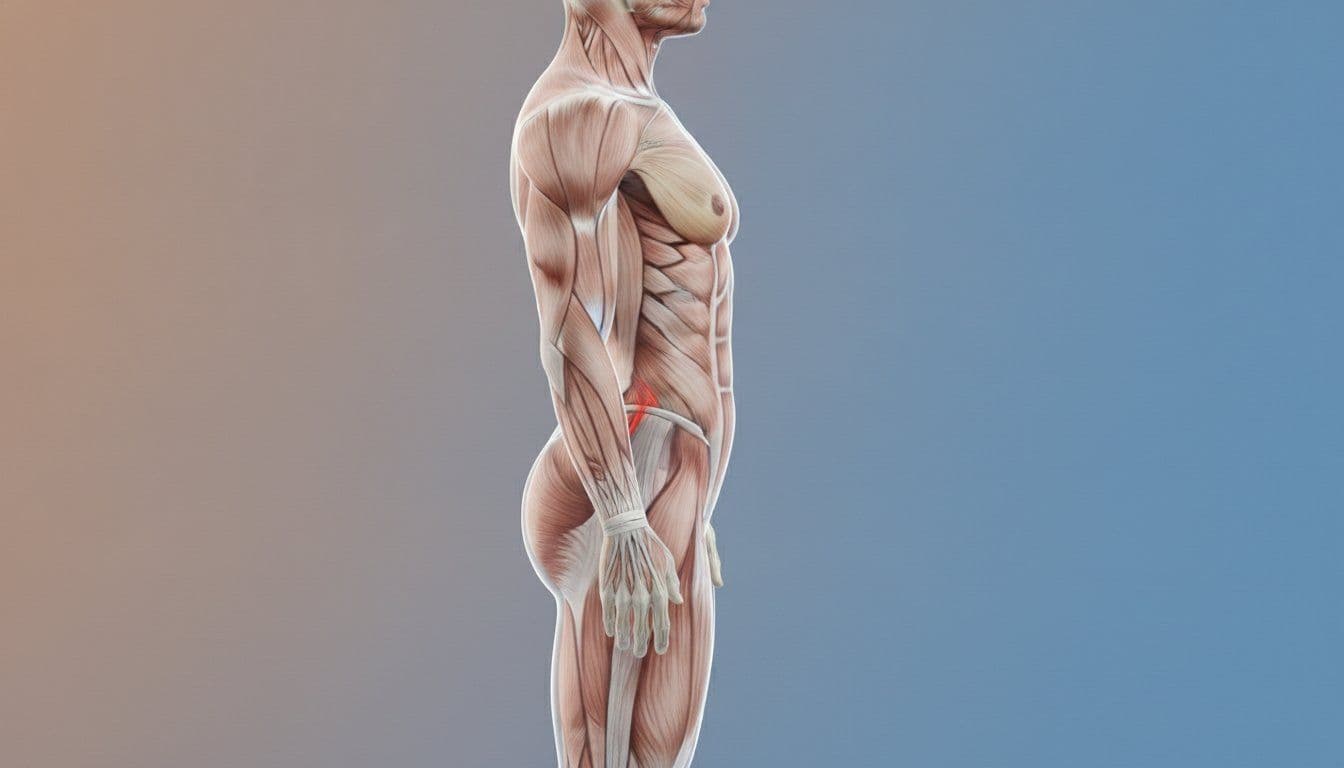
Physiotherapy for Pelvic Pain: Expert Relief in Milton Keynes, Northampton, and Towcester
Get expert physiotherapy for pelvic pain in Milton Keynes, Northampton & Towcester. Our hands-on approach offers lasting relief without the long NHS wait.
What if that nagging ache in your pelvis isn't a permanent "gift" of aging or something you just have to endure in silence? Seeking professional physiotherapy for pelvic pain shouldn't feel like a last resort or an embarrassing admission. It's incredibly frustrating when you're told to "just wait and see" by a medical system currently struggling with massive backlogs, especially when that pain stops you from running, lifting, or simply enjoying your day. You deserve better than a "grin and bear it" attitude toward your own health.
At RED Physiotherapy, we promise to help you resolve persistent pelvic pain and return to the activities you love without the long NHS wait. As a family-run practice in Milton Keynes, Northampton, and Towcester, we focus on hands-on treatment from day one rather than just handing you a sheet of exercises. In this guide, we'll break down why your pain is happening, how our expert-led approach differs from corporate clinics, and what a clear, jargon-free recovery plan actually looks like for you.
Key Takeaways
- Understand that persistent pelvic pain is never "just part of life" or something you should accept as a normal part of ageing.
- Discover how specialized physiotherapy for pelvic pain addresses the root cause of discomfort to restore your body's "engine room" and improve daily movement.
- Learn why hands-on therapy is more effective than the generic exercises only approach often found in larger corporate clinics.
- Identify the specific signs that indicate it's time to seek professional help and skip the long NHS queues for faster results.
- Get practical tips for managing symptoms at home while you work toward a pain-free return to the sports and activities you love.
What Is Pelvic Pain and Why Is It Often Ignored?
Pelvic pain is often described as a vague discomfort, a heavy pressure, or a persistent aching located anywhere between your belly button and your groin. Because it’s tucked away in a sensitive area, many people try to ignore it or hope it simply disappears. Research suggests that as many as 1 in 6 adult women in the UK experience chronic pelvic pain, yet it's frequently dismissed as just "part of life" or an inevitable side effect of getting older. Let's be clear: pain in this region is never normal, and you don't have to just live with it.
Many patients wait months or even years to seek help because they feel embarrassed or think their symptoms aren't "serious enough" for a doctor. However, the pelvis is the engine room of your body's movement. When things go wrong here, it affects how you walk, sit, and exercise. As specialists, we look at the mechanical causes behind these sensations. Understanding what is pelvic floor physical therapy helps demystify the process; it’s about restoring function to the muscles and joints that support your core. By using targeted physiotherapy for pelvic pain, we can identify exactly which tissues are struggling and get you back on track.
Symptoms That Shouldn’t Be Overlooked
It’s easy to write off a dull ache at the end of a long day, but your body is usually trying to tell you something. You might notice a deep ache in your pelvis after sitting at your desk for a few hours, or perhaps a sharp, pinching sensation that crops up halfway through a run. Sometimes, the pain isn't even felt in the pelvis itself. It can manifest as referred pain in your lower back or hips, leading many to treat the wrong area entirely. If you find yourself constantly shifting in your chair or avoiding certain movements because of "that feeling" in your lower abdomen, it's time to check our list of conditions and take your recovery seriously.
The Impact of NHS Waiting Times
The current state of the NHS can be a major barrier to recovery. As of June 2026, the median waiting time to start consultant-led treatment in England was 11.9 weeks, with only about 65.8% of patients being seen within the constitutional 18-week target. For someone in daily pain, three or four months is an eternity. Waiting this long often allows acute issues to settle into chronic patterns that are much harder to shift. Choosing a private, family-run practice like ours means you skip the queue and get hands-on care immediately. We don't believe in "watchful waiting" when we could be actively fixing the problem. Early intervention is the key to preventing long-term mobility issues and ensuring you can stay active in Milton Keynes, Northampton, or Towcester.
Common Conditions Treated with Physiotherapy for Pelvic Pain
Think of your pelvis as the engine room of your body. It is the central hub where your spine meets your legs, housing the deep muscles that provide stability for every move you make. When these muscles aren't working in harmony, it is rarely just a localized issue. A misfiring pelvis can cause havoc elsewhere, leading to persistent hip pain or even that stubborn lower back ache that won't go away. This is where specialized physiotherapy for pelvic pain comes in, focusing on the mechanical function of the whole body rather than just masking symptoms.
While many people associate this area solely with reproductive health, it is actually a complex web of muscles, ligaments, and nerves. There are many common conditions treated with pelvic physiotherapy that range from sports injuries to pregnancy related changes. Our approach is about finding the root cause of that mechanical failure and fixing it efficiently.
Specialized Women’s Health Physiotherapy
Throughout different life stages, a woman's body undergoes significant structural changes. Pregnancy related pelvic girdle pain (PGP) and Symphysis Pubis Dysfunction (SPD) can make even walking to the shops feel like a marathon. We often see mums who are desperate to return to high impact sports but find that their bodies aren't quite ready, leading to issues like pelvic organ prolapse or persistent discomfort. We also help manage the physical impact of conditions like endometriosis, where muscle tension often builds up as a protective response to pain. Our goal is to help you navigate these changes with confidence and strength.
Pelvic Pain in Men and Athletes
It is a common myth that pelvic issues only affect women. In reality, men often suffer from Chronic Pelvic Pain Syndrome (CPPS), which is frequently misdiagnosed as a prostate problem when it is actually a musculoskeletal issue. Athletes are another group we see regularly. If you are a runner or a footballer dealing with a "sports hernia" or a recurring groin strain, the culprit is often a tight or poorly coordinated pelvic floor. This tension pulls on the surrounding structures, causing pain that lingers long after a standard rest period. If you are struggling with a persistent injury that isn't clearing up, you might want to look at our specialized services to see how we can get you back on the pitch or the pavement.
Hands-on Treatment vs. Exercises-Only: The RED Difference
If you’ve ever sought help for pelvic issues before, you might have been handed a generic sheet of Kegel exercises and sent on your way. It’s a common experience, but frankly, it’s a waste of your time. Effective physiotherapy for pelvic pain requires much more than a "one size fits all" exercise plan. While strengthening is part of the journey, you simply cannot strengthen a muscle that is locked in a state of constant tension or a joint that isn't moving properly. As a physiotherapist, I’ve seen too many people become frustrated because their "rehab" felt like a chore that didn't actually change how they felt.
Many corporate clinics and overstretched services rely on "exercises-only" models because they are cheaper and easier to manage. They might even offer remote consultations, which completely misses the vital physical assessment. We do things differently. At RED Physiotherapy, we are a family-run practice that believes in being hands-on from day one. You can’t feel a mechanical trigger through a screen, and you certainly can’t release a stubborn muscle knot with a PDF guide. This high-level care is what defines specialized physical therapy for pelvic pain. It’s about more than just basic core work; it’s a deep dive into the mechanics of how you move.
Why Manual Therapy Matters
Joint mobility in the hips and lower back is often the silent culprit behind pelvic discomfort. If your hip joints are stiff, your pelvis has to overcompensate, leading to strain and inflammation. We use manual therapy to release that tension and restore natural joint gliding. By using techniques like dry needling to target deep trigger points or sports massage to improve blood flow, we create a "window of opportunity." This is a period where your pain is significantly reduced, making your follow-up exercises actually effective instead of just painful. We don't just tell you what to do; we use our hands to help your body do it.
Fixing the Root Cause, Not Just the Symptom
We don't just want to stop the ache for a week; we want to know exactly why it started. Our approach involves looking at the bigger picture of your movement. We use gait assessment and running analysis to see how your pelvis behaves when you’re actually active. Are you over-striding? Is one hip dropping when you run? By identifying these mechanical triggers, we design a plan that fits your specific lifestyle, whether that’s sitting comfortably in an office chair or training for a marathon. Our team is focused on long-term autonomy, giving you the tools and the physical foundation to stay pain-free for good without dragging out your treatment unnecessarily.

Practical Advice and When to Seek Professional Help
While we focus on hands-on intervention in the clinic, your recovery doesn't stop when you walk out our door. Think of self-management as the daily maintenance that keeps your "engine room" running smoothly while we handle the specialized repairs. It is a vital supplement to professional care, not a replacement for it. Small adjustments in your daily routine can significantly reduce the need for long term physiotherapy for pelvic pain by preventing tension from building up in the first place. Whether you are in Milton Keynes, Northampton, or Towcester, these habits will help you maintain the progress we make during your sessions.
Relief Tips for Office Workers and Runners
If you spend eight hours a day in a chair, the pressure on your pelvic floor can build up quickly due to poor lumbar support or rigid seating. Try adjusting your chair so your hips are slightly higher than your knees. This simple change opens up the pelvic angle and reduces deep compression. Don't stay static; set a timer to stand and move every 30 minutes to keep blood flowing. If you are a runner, your pelvis takes a significant pounding with every stride. A simple "reset" movement after a run, like a deep supported squat or a gentle hip flexor stretch, can prevent muscles from locking down in a protective, shortened state.
Breathing is another mechanical tool that many people overlook. When we are stressed or in pain, we instinctively breathe shallowly into our chests, which keeps the pelvic floor braced and tight. Practising diaphragmatic breathing, where you focus on expanding your lower ribs and belly, helps to physically relax these deep tissues. It is a direct, evidence based way to tell your nervous system to dial down the tension and allow for better movement.
When to Seek Help
Knowing when to stop "managing" and start "fixing" is the key to a fast recovery. If your pain interrupts your sleep or makes it difficult to concentrate at work, your body is sending a clear distress signal. Generally, if discomfort hasn't improved after two weeks of rest and gentle stretching, it is unlikely to vanish on its own. You should also watch for sharp, catching pains during exercise or any unusual changes in bladder or bowel habits. You can check our list of conditions we treat for more specifics on what we can help with. Starting professional physiotherapy for pelvic pain early prevents acute issues from becoming permanent fixtures in your life.
Don't let a small ache become a chronic limitation that stops you from doing what you love. If you're ready for a clear, results-driven plan that gets you back to peak performance, book an appointment with us at one of our local clinics today.
Start Your Recovery in Milton Keynes, Northampton, or Towcester
Moving from the frustration of an undiagnosed ache to a concrete, results-driven recovery plan is a massive relief. You’ve likely spent weeks or even months wondering if your symptoms are just something you have to endure. By choosing specialized physiotherapy for pelvic pain, you are taking the first step toward reclaiming your physical potential. We aren't here to give you a temporary fix or a generic exercise sheet that collects dust on your sideboard. We are a family-run business dedicated to getting you back to your best as efficiently as possible, without the "fluff" often found in corporate clinics.
Our approach is built on a foundation of trust and clinical excellence. We treat you as an active partner in your own progress, moving you from a state of uncertainty toward a clear path of action. We know that pelvic issues can feel isolating, but our goal is to provide a supportive and motivational environment where you feel heard and understood. You deserve a recovery plan that is as unique as your lifestyle, whether you're an office worker looking for daily comfort or an athlete aiming for peak performance.
What to Expect at Your First Session
Your first visit is all about gaining clarity and starting the healing process immediately. We provide a thorough, professional assessment in a private and comfortable environment where you can speak openly about your symptoms. You won't leave feeling confused by medical jargon; we explain exactly what is going on with your body in plain English. Most importantly, we start hands-on treatment from your very first visit. Whether it is releasing deep muscle tension or improving joint mobility, we begin the mechanical work of fixing the problem right away. We don't believe in dragging out treatments; we believe in getting results.
Book Your Appointment Today
We make the process straightforward because we know you’ve already waited long enough for answers. With convenient clinics in Milton Keynes, Northampton, and Towcester, expert care is always close to home. We believe in total transparency, which is why you can check our prices online before you even walk through the door. There are no hidden costs or unnecessary treatment cycles, just honest, effective care that respects your time and your budget.
Imagine a day where you don't have to plan your movements around your pain. Whether your goal is returning to high-impact running, hitting a new PB in the gym, or simply having the energy to play with your grandchildren without discomfort, we are here to help you get there. Don't let your physical limitations define your lifestyle for another day. Contact RED Physiotherapy today to start your journey toward a pain-free life and reclaim the activities you love.
Reclaim Your Movement and Confidence Today
Persistent pelvic discomfort shouldn't be the thing that keeps you on the sidelines of your own life. We have explored how a mechanical approach to recovery, rather than just "watchful waiting," can resolve the underlying issues causing your pain. By choosing specialized physiotherapy for pelvic pain, you are opting for a path that prioritizes long term wellness and physical autonomy over temporary fixes.
At RED Physiotherapy, we are proud to be a family-run business that puts your progress first. You won't find any corporate fluff or endless NHS waiting lists here; just expert, hands-on care from your very first session in Milton Keynes, Northampton, or Towcester. It's time to stop managing symptoms and start fixing the cause so you can return to the sports, hobbies, and daily activities you love without hesitation.
Book your hands-on pelvic pain assessment today and take that first decisive step toward your recovery. You are in safe hands, and we are ready to help you reach your full physical potential.
Frequently Asked Questions
Is physiotherapy for pelvic pain suitable for men?
Yes, absolutely. We often see men in our Milton Keynes and Northampton clinics who have been told they have "prostate issues" when it is actually a musculoskeletal problem. A tight pelvic floor can cause groin pain or bladder urgency in men just as easily as in women. We use hands-on techniques to release that tension and get you moving again. It is about mechanics, not just gender, and we are here to help you reclaim your physical potential.
What happens during a women’s health physiotherapy assessment?
We start in a private, comfortable room to discuss your history without any medical jargon. We will then perform a physical assessment to see how your pelvis, hips, and lower back are working together. This might include an internal exam if you are comfortable, but it is always your choice. Unlike "exercises-only" clinics, we start hands-on treatment from day one to give you immediate relief while we build your long term recovery plan together.
How many sessions will I need to see results?
Every body is different, but we don't believe in dragging out treatment unnecessarily. Most patients in Towcester and Milton Keynes notice a significant change within three to five sessions. Our goal is to fix the root cause efficiently so you can get back to your passions. We will give you a clear roadmap at your first appointment, so you know exactly what to expect and how we will reach your goals through a structured, evidence based approach.
Can I see a physio for pelvic pain if I am pregnant?
Yes, and it is actually one of the best times to start physiotherapy for pelvic pain. Pregnancy puts immense mechanical pressure on your "engine room," often leading to Pelvic Girdle Pain (PGP) or SPD. We use safe, gentle manual therapy to realign your pelvis and support your body as it changes. It is not just about surviving the nine months; it is about staying active and preparing your body for a smoother post-natal recovery.
Do I need a GP referral to book a pelvic health appointment?
You don't need a GP referral to see us. Since we are a private, family-run practice, you can book directly and skip the long NHS waiting lists which currently average nearly 12 weeks for consultant-led care. This allows us to start your recovery immediately before acute pain becomes a chronic habit. Just give us a call or book online to secure a slot at our Milton Keynes, Northampton, or Towcester clinics and get started.
Will I be expected to do exercises at home?
We will give you specific movements to do at home, but they are a supplement to our hands-on work, not the whole treatment. We won't just hand you a generic sheet of Kegels and send you packing. Your home plan is tailored to your lifestyle, whether that is sitting at an office desk or training for a marathon. These "resets" help maintain the mobility we gain during your sessions in the clinic for long term autonomy.
Is pelvic physiotherapy covered by private health insurance?
Most major private health insurance providers cover our services, but it is always best to check your specific policy first. We are fully HCPC registered, which is the standard requirement for insurance claims and professional clinical practice. Whether you are using insurance or paying yourself, we focus on providing high-value, efficient care that gets you back to your best. Transparency is key for us, so feel free to ask about our clinical registration details anytime.
What should I wear to my pelvic pain appointment?
Comfort is the priority here. We recommend wearing loose, comfortable clothing like leggings, joggers, or gym shorts that allow us to easily assess your movement and access your lower back or hips. You might need to remove some clothing for the physical assessment, but we always provide towels for draping to ensure you feel secure and comfortable. It is a professional, clinical environment where your privacy and dignity are always our top concerns during every session.

Tags:
About the Author
Red Physiotherapy Team
Content Team
Health and wellness content from the RED Physiotherapy team.