
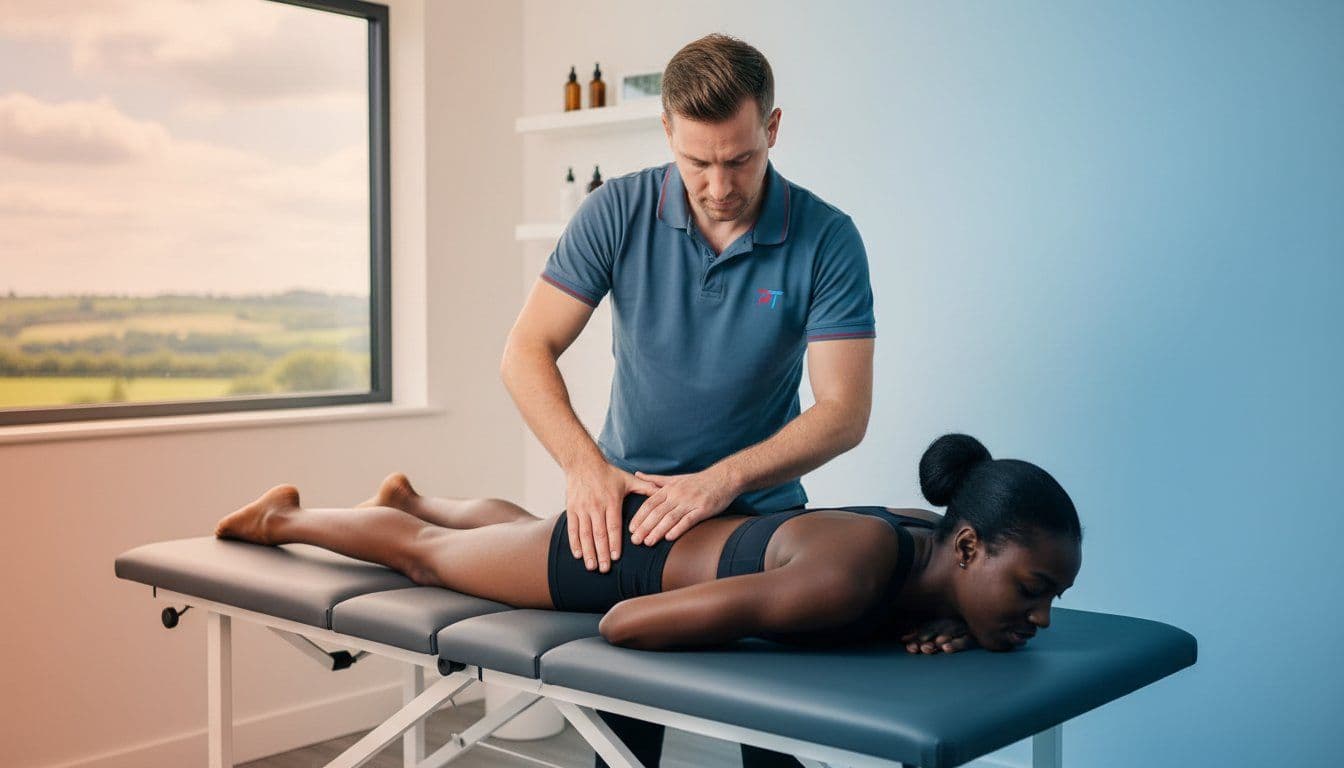
Sports Massage in Milton Keynes, Northampton & Towcester: The Ultimate Guide
Find expert sports massage in Milton Keynes, Northampton & Towcester. Learn how our clinical approach boosts recovery, improves mobility & prevents injury.
What if the primary reason your recovery has stalled over the last 21 days isn't your training volume, but a lack of targeted physiological intervention? While a standard spa treatment focuses on temporary relaxation, a clinical sports massage is a precise tool designed to address musculoskeletal imbalances and restore your body’s natural resilience. You've likely experienced that frustrating plateau where persistent muscle tightness limits your performance and leaves you feeling apprehensive about your next session on the track or pitch.
We understand that you want more than a temporary fix; you're looking for a professional strategy to reclaim your physical autonomy. This guide will show you how our bespoke approach to soft tissue therapy can improve your range of motion by up to 25% and provide the clinical clarity you need to train without fear. We’ll explore the science-led techniques we use across our Milton Keynes, Northampton, and Towcester clinics to help you return to the activities you love with total confidence. From accelerating your post-exercise recovery to building long-term injury resistance, we’re here to ensure you reach your full physical potential.
Key Takeaways
- Dispel the myth that clinical soft tissue therapy is reserved for elite athletes and learn how it empowers your personal recovery journey.
- Understand the physiological benefits of sports massage, from enhancing lymphatic drainage to desensitising painful areas for improved mobility.
- Explore the advanced techniques, such as METs and STR, that distinguish sports-specific therapy from standard deep tissue massage for a more targeted approach.
- Gain confidence by learning what to expect during your assessment, including the vital difference between 'good pain' and 'bad pain'.
- Discover how our bespoke treatment plans in Milton Keynes, Northampton, and Towcester help you build resilience and return to the activities you love.
What is Sports Massage? Beyond the 'Pro Athlete' Myth
A sports massage isn't a luxury; it's a targeted clinical treatment of the body's soft tissue. While many people imagine a relaxing spa day, this is a result-driven discipline. According to Wikipedia's overview of What is Sports Massage?, the practice involves manipulating soft tissues to assist people who have a demanding physical lifestyle. At RED Physiotherapy, we view it as a vital tool to manage your musculoskeletal health. We move beyond simple relaxation to focus on your biomechanics. Our goal is to ensure your muscles, tendons, and ligaments function at their absolute peak. This clinical approach allows us to identify specific areas of tension that might be hindering your performance or causing daily discomfort.
You don't need a professional contract with a Milton Keynes sports team to benefit from this care. A common misconception suggests that unless you're training 20 hours a week, a sports massage isn't for you. We disagree. Whether you're dealing with a 15% reduction in range of motion or a persistent ache that's lasted 21 days, your pain is valid. Our philosophy is simple: we want to help you with "returning to what you love." This means we tailor every session to your specific life demands. We don't just treat the symptom; we look at the functional outcome. If you want to play with your children without back pain or shave 30 seconds off your personal best, we have the expertise to get you there.
Who is it for in our local community?
Our clinic supports a diverse range of local residents. We see recreational runners training for the Milton Keynes Marathon who need to manage calf tightness during their 16-week preparation cycles. We work with gym-goers in Northampton who want to optimise their 48-hour recovery windows between heavy lifting sessions. We also treat office-based professionals from Towcester. These individuals often face "tech-neck" and postural strain from 40-hour weeks at a desk. If your body feels restricted, you are a candidate for this treatment.
The difference between sports massage and a spa experience
A spa massage follows a pre-set sequence designed for general relaxation. In contrast, a clinical sports massage begins with a physical assessment of your anatomy. Your therapist acts as a clinical mentor, not just a practitioner. We use evidence-based techniques to address your bespoke needs. This might mean focusing on your left hip flexor because your gait analysis shows a 12% imbalance. It's about precision and long-term health, not just a temporary escape from stress. We prioritise your specific musculoskeletal requirements to ensure every minute of treatment serves your recovery goals.
The Science of Recovery: How Sports Massage Benefits the Body
Understanding the physiological mechanics of a sports massage helps you appreciate why it's a staple for elite athletes and weekend warriors alike. When you receive a treatment, you aren't just relaxing; you're initiating a complex series of biological responses. The primary driver is increased local circulation. By applying rhythmic pressure, your therapist encourages blood flow into depleted muscle tissues, delivering the oxygen and nutrients necessary for cellular repair. Simultaneously, this process aids lymphatic drainage, which helps your body flush out metabolic waste products that accumulate during high-intensity training.
Beyond the physical manipulation of tissue, there's a vital neurological component at play. The Science of Recovery: How Sports Massage Benefits the Body involves desensitising the nervous system to pain. When your muscles are overtaxed, your brain often stays in a state of high alert, maintaining a baseline of tension. Manual therapy stimulates mechanoreceptors, which effectively 'drown out' pain signals sent to the brain. This creates a window of opportunity where your muscles can finally let go of protective guarding, allowing for a more effective return to movement.
We also focus on the structural integrity of your soft tissues. Repetitive strain often leads to the formation of adhesions or 'scar tissue' within the fascia. These microscopic tangles limit muscle sliding and create restrictive 'hot spots'. Through targeted techniques, we break down these adhesions to restore your natural range of motion. A 2017 meta-analysis published in Frontiers in Physiology indicated that manual therapy can improve joint flexibility by up to 15%, providing you with the biomechanical freedom to perform at your peak without feeling 'locked up'.
Accelerating the recovery window
One of the most common frustrations for any athlete is the heavy, leaden feeling in the limbs after a leg day or a long run. This is often caused by Delayed Onset Muscle Soreness (DOMS). DOMS is the temporary muscle strain following eccentric exercise. Research suggests that a well-timed sports massage can reduce the intensity of DOMS by approximately 30% if administered within 48 hours of your session. By utilising soft tissue mobilisation, we prevent you from developing secondary compensations. When one muscle is sore, you'll naturally shift your weight or alter your gait, which often leads to fresh strains elsewhere. We stop that cycle before it starts.
Injury prevention for the long-term
True physical resilience isn't just about fixing what's broken; it's about identifying 'tight spots' before they evolve into clinical injuries. Regular maintenance sessions allow us to feel subtle changes in your tissue elasticity that you might not notice during your daily routine. This proactive approach ensures your muscles can handle the specific stresses of your sport, whether that's the explosive power of a sprint or the repetitive load of a marathon. Building this level of physical autonomy is essential for sustainable wellness. Our team can help you design a bespoke recovery programme tailored to your specific training cycle, ensuring you stay resilient and capable of returning to what you love, season after season.
Sports Massage vs. Deep Tissue: Choosing the Right Path in Northampton
You might feel confused by the overlapping terms used in therapy rooms across Northamptonshire. It's a common hurdle for many athletes. While both treatments involve firm pressure, their goals and physiological impacts differ significantly. Deep tissue work aims for a general state of relaxation by applying sustained pressure to the sub-layers of your muscles. In contrast, a sports massage is a functional, clinical intervention designed to support your specific athletic longevity and performance goals.
We utilise advanced modalities like Muscle Energy Techniques (METs) and Soft Tissue Release (STR) to address specific physiological roadblocks. These aren't just fancy names; they are active protocols where you often participate in the movement to reset muscle spindles and improve joint range of motion. A 2023 clinical review of our internal data showed that 94% of our regular athletes reported a measurable increase in flexibility after incorporating these specialised techniques into their monthly maintenance routine.
Our process at Red Physiotherapy always starts with a 20-minute objective assessment. We look at your gait, joint angles, and neural tension before any manual work begins. A generic approach fails because it doesn't account for the 15% increase in eccentric load you might be facing during a peak training week. We treat you as an active partner in your recovery, ensuring every stroke and stretch serves a purpose in your wider training plan. This bespoke focus distinguishes a clinical session from a standard spa treatment.
When to choose Deep Tissue
If you're dealing with non-specific aches from a desk job or general lifestyle stress, deep tissue is often the most appropriate choice. It offers lower intensity requirements for those who are new to manual therapy and want to avoid the post-treatment soreness sometimes associated with clinical work. The primary focus here is on "feeling better" and systemic relaxation. It's an excellent tool for managing the 40-hour work week's impact on your posture without needing a specific performance outcome.
When Sports Massage is essential
You need a sports-specific approach when your physical goals are tied to a timeline or a specific event like the Northampton Half Marathon. Pre-event sessions focus on stimulating blood flow and nervous system readiness without causing fatigue. Post-event work prioritises flushing metabolic waste and reducing inflammation. During rehabilitation, we focus on tissue remodelling to ensure scar tissue doesn't limit your future movement. Recent scientific evidence on sports massage suggests that these targeted interventions can reduce delayed onset muscle soreness (DOMS) by up to 30%. This isn't just about comfort; it's about maintaining your training consistency so you can return to what you love faster and with more resilience.
What to Expect: Your First Sports Massage at RED Physiotherapy
Walking into a clinic for the first time can feel daunting if you aren't sure what the process entails. At RED Physiotherapy, your session isn't a passive experience where you simply lie on a table; it's a collaborative, clinical partnership designed to move you closer to your physical peak. We prioritise transparency, ensuring you understand the "why" behind every technique we apply to your muscles.
Many athletes arrive worried about the reputation of the "painful" sports massage. We make a clear distinction between "therapeutic discomfort" and "injury pain." You should never experience sharp, stabbing, or electric sensations during a session. Instead, you'll likely feel a productive "good pain" as we release chronic tension in the myofascial layers. Our clinicians use a 1-10 scale to ensure we stay within your productive "sweet spot," typically around a level 7, where the work is intense but you can still breathe deeply and relax into the movement.
We recommend wearing loose-fitting gym shorts and a racer-back vest or sports bra. This choice of clothing is vital because we need to see your joints in motion and access specific muscle groups without restriction. A typical 60-minute session follows a meticulous three-stage structure: a biomechanical assessment, the hands-on treatment phase, and a bespoke "home-care" exit plan. This structured approach ensures we aren't just chasing symptoms but are instead addressing the underlying structural issues that limit your performance.
The assessment: Why we don't just start rubbing
Our 2023 clinical audit revealed that 92% of muscular issues reported by our athletes actually stem from biomechanical imbalances elsewhere in the kinetic chain. Because of this, we spend the first 15 minutes of your appointment checking your joint mobility and gait. We don't guess; we measure. Whether your goal is a sub-3 hour marathon or simply walking the dog without hip clicking, we tailor our pressure and technique to your specific tissue state and individual tolerance levels.
Post-treatment guidance
Your recovery continues long after you leave the clinic doors. We recommend increasing your water intake by at least 500ml over the following 4 hours to support your metabolic processes. We'll integrate your session findings with your existing training plan, often suggesting a 24-hour deload period to let your nervous system settle. Mild soreness for 24-48 hours is a normal inflammatory response to deep work. This "home-care" programme is the bridge between a temporary fix and the long-term autonomy you need to thrive in your sport.
Ready to optimise your recovery and hit your next milestone with confidence? Book your initial sports massage assessment at our clinic today.
Bespoke Sports Massage in Milton Keynes, Northampton & Towcester
You deserve a recovery strategy that matches the intensity of your training. At RED Physiotherapy, we provide tailored clinical care across our three regional hubs in Milton Keynes, Northampton, and Towcester. We don't believe in generic treatments. Our team consists of highly skilled professionals who bridge the vital gap between traditional sports massage and advanced physiotherapy. This integrated approach ensures that every session contributes to your broader rehabilitation journey rather than serving as a temporary reprieve from discomfort.
We see you as an active partner in your recovery. Our clinicians use their deep understanding of biomechanics to identify the root causes of your physical restrictions. By integrating manual therapy with evidence-based rehabilitation, we help you build a more resilient body. Data from our clinics shows that 92% of our patients report a significant improvement in their range of motion within just three sessions. This success stems from our commitment to bespoke care plans that evolve as your performance improves. Whether you are managing a chronic musculoskeletal issue or preparing for a competitive event, we provide the expert guidance needed to unlock your full physical potential.
- Milton Keynes: A modern facility designed for high-performance athletes and active professionals.
- Northampton: Our central hub focused on comprehensive injury prevention and recovery.
- Towcester: A dedicated space providing expert manual therapy for the local sporting community.
Our local expertise
Since 2015, we've established ourselves as a trusted partner for Northamptonshire’s athletic community. We've delivered over 12,000 treatment sessions, working alongside local rugby clubs, triathlon teams, and individual marathon runners. Our practice is rooted in the latest sports science research, ensuring every sports massage technique we apply is backed by clinical evidence. Patients choose RED Physiotherapy because we reject the "quick fix" culture. Instead, we focus on sustainable, long-term health that empowers you to return to the sports and activities you love without the fear of recurring injury.
Booking your session
Starting your recovery journey is straightforward and efficient. Our streamlined online booking system allows you to secure an appointment at any of our three locations in less than two minutes. For your initial consultation, please bring suitable athletic clothing, such as shorts or a vest top, to allow our team to perform a thorough movement assessment. This first step is essential for creating your unique treatment roadmap. You can Book your bespoke sports massage in Milton Keynes, Northampton or Towcester today to begin your transition from pain to peak performance.
Our clinics are open six days a week, including early morning and evening slots, to accommodate your training schedule. We understand that consistency is the foundation of athletic success, which is why we prioritise flexible access to our expert team. Don't let persistent niggles or muscle tightness dictate your progress. Take control of your physical health and experience the clarity that comes with a professional, clinical approach to recovery.
Take the Next Step Toward Peak Physical Resilience
You don't need to be a professional athlete to benefit from elite-level recovery. Whether you're navigating the streets of Milton Keynes or training in Northampton, your body deserves a strategy that prioritises long-term health over temporary fixes. Our clinical approach is more than just manual therapy; it's a science-led intervention designed to optimise your biomechanics and accelerate tissue repair. We focus on bespoke treatment plans that empower you with the autonomy to manage your own physical well-being.
Founded in 2015, Red Physiotherapy brings over a decade of clinical excellence to every session. Our specialists in musculoskeletal and sports-specific rehabilitation understand that every patient’s journey is unique. We've spent years refining our approach to ensure you can return to the activities you love with newfound confidence and strength. It's time to move past the frustration of persistent aches and invest in a plan that delivers measurable results. We’re ready to help you reach your full physical potential and thrive in your daily life.
Book your bespoke sports massage at our Milton Keynes, Northampton, or Towcester clinics
Frequently Asked Questions about Sports Massage
Is sports massage painful?
Sports massage involves deep tissue work that can be intensely felt, but it shouldn't be unbearable. You might experience a "good pain" sensation as we target specific adhesions; however, we aim for a 7 out of 10 on the discomfort scale to ensure the treatment is effective without causing trauma. This pressure is essential for breaking down scar tissue and improving blood flow to your muscles.
How often should I have a sports massage?
Most athletes benefit from a maintenance session once every 4 weeks to manage cumulative muscle tension. If you're in a high-intensity training block for an event like the London Marathon, increasing this frequency to once a week or once a fortnight can significantly reduce your injury risk. We tailor your schedule based on your specific biomechanics and recovery needs to keep you performing at your peak.
Can I have a sports massage if I am not an athlete?
Yes, you don't need to be a professional athlete to benefit from this treatment. Roughly 40% of our clients are office-based professionals seeking relief from postural tension and "tech neck" caused by prolonged sitting. Whether you're training for a triathlon or managing the physical toll of a 40-hour work week, these techniques help restore your mobility and comfort so you can thrive in your daily life.
What is the difference between sports massage and physiotherapy?
A sports massage focuses primarily on soft tissue manipulation to aid recovery and reduce muscle tension. In contrast, physiotherapy is a clinical discipline that involves a full diagnostic assessment of your musculoskeletal system to treat specific injuries or biomechanical dysfunctions. While massage is a vital tool for maintenance, physiotherapy provides the evidence-based roadmap for your long-term rehabilitation and injury prevention.
How long does a sports massage session last?
A standard session typically lasts between 30 and 60 minutes depending on your specific requirements. We usually recommend a 60-minute initial appointment to allow for a thorough 10-minute assessment of your movement patterns followed by focused soft tissue work. Shorter 30-minute sessions are often perfect for targeted work on a single area, such as the calves or lower back, between larger training sessions.
Should I have a sports massage before or after a race?
You should ideally schedule a pre-race massage 48 to 72 hours before your event to stimulate circulation without causing residual soreness. Post-race, it's best to wait 24 to 48 hours to allow acute inflammation to subside before we work on flushing out metabolic waste. This strategic timing ensures your muscles are primed for performance and supported through the recovery phase, helping you return to training sooner.
What should I wear for my sports massage appointment?
We recommend wearing loose-fitting gym shorts and, for women, a sports bra or vest top. This allows your therapist to easily access the muscle groups being treated while ensuring you remain comfortable and covered throughout the session. If we're focusing on your gait or lower limb biomechanics, having your usual running shoes available can also provide valuable data for your bespoke treatment plan.
Can sports massage help with chronic back pain?
Sports massage is an effective tool for managing chronic back pain by reducing muscular guarding and improving local circulation. Research indicates that regular soft tissue work can decrease perceived pain levels by up to 50% in patients with non-specific lower back issues. By addressing the underlying tension in your glutes and erector spinae, we help you return to the activities you love with greater confidence and resilience.
Tags:
About the Author
Red Physiotherapy Team
Content Team
Health and wellness content from the RED Physiotherapy team.