
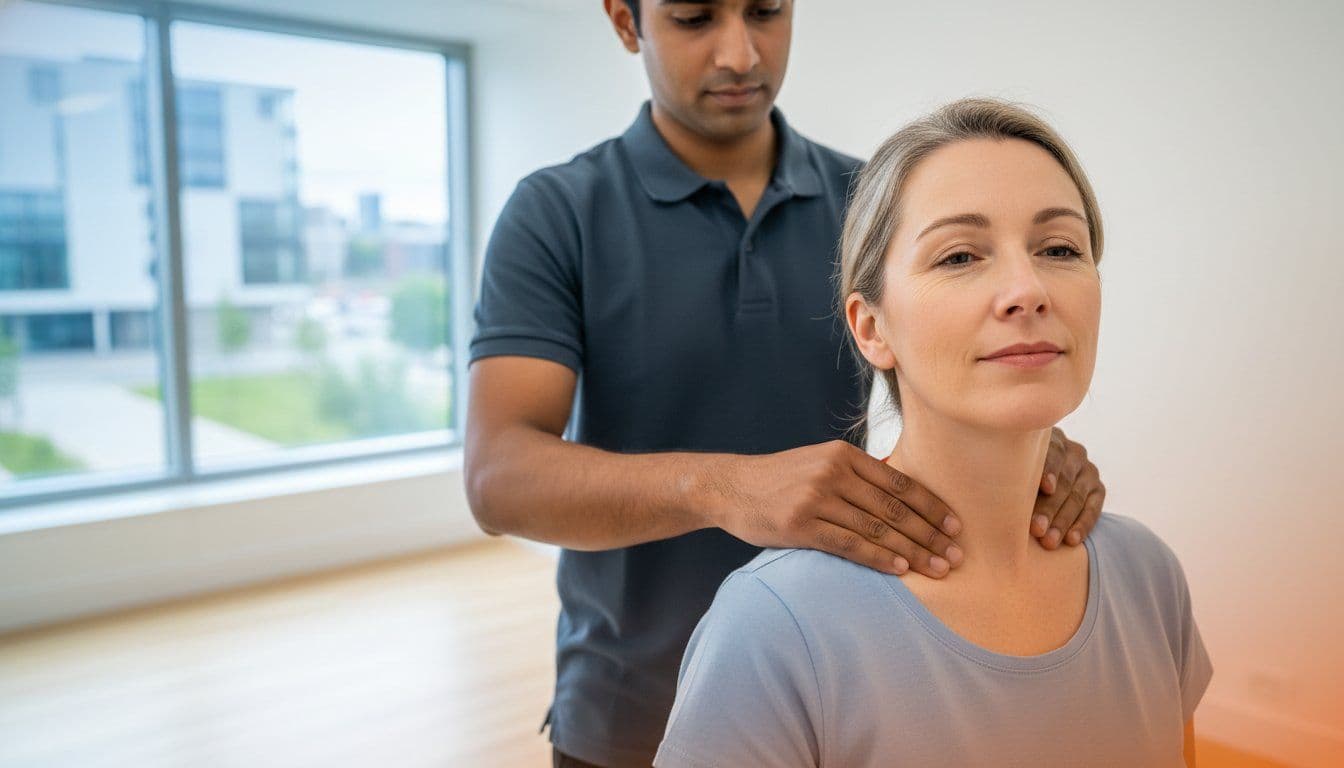
Trapped Nerve in Neck: Symptoms, Causes, and Relief in Milton Keynes & Northampton
Struggling with a trapped nerve in neck? Discover the causes, symptoms, and proven relief strategies for residents in Milton Keynes & Northampton.
Imagine attempting to merge onto the A45 or navigate a busy Milton Keynes roundabout when a sharp, electric-shock sensation radiating from your shoulder forces you to wince. That sudden, debilitating jolt from a trapped nerve in neck structures doesn't just disrupt your commute; it often leads to a 40% reduction in sleep quality and a complete loss of focus during your professional day. You likely feel that your body has hit a frustrating standstill, making even the simplest desk tasks feel like an endurance test.
We understand that you want more than a temporary fix; you want to understand the clinical "why" behind your pain to ensure it doesn't return. This guide provides a clear, evidence-based path to recovery that moves you beyond symptoms toward long-term autonomy. We'll explore the biomechanical triggers of nerve compression and preview the bespoke treatment strategies that help 92% of our patients return to their favourite sports and professional activities with total confidence.
Key Takeaways
- Understand the clinical reality of a trapped nerve in neck and why these sensations often travel into your shoulder, arm, or hand.
- Identify how local lifestyle factors and "tech neck" impact your spinal health and learn to address the root causes of your discomfort.
- Move beyond the myth of total bed rest by discovering how gentle, directed movement helps to "floss" nerves and accelerate your recovery.
- Master immediate at-home strategies to lower your pain volume and understand the precise roles of heat and ice in managing symptoms.
- Explore how a bespoke, person-centred rehabilitation plan can empower you to regain your physical potential and return to what you love.
Understanding a Trapped Nerve in the Neck (Cervical Radiculopathy)
Waking up with a sharp, radiating pain that shoots down your arm is a distressing experience. This condition, clinically referred to as Cervical Radiculopathy, occurs when a nerve root in your neck becomes compressed or irritated as it exits the spinal column. While the sensation feels alarming, it's a common musculoskeletal issue that we see frequently at the clinic. Research indicates that approximately 85 out of every 100,000 people in the UK experience this condition annually. Most importantly, 90% of patients find significant relief through bespoke physiotherapy and non-invasive management within 6 to 12 weeks.
A trapped nerve in neck doesn't just stay in the neck. Because these nerves act as the primary wiring for your upper body, the brain often interprets the irritation as pain in the shoulder, elbow, or fingers. This is known as referred pain. You aren't just dealing with a local ache; you're experiencing a disruption in the communication lines between your brain and your limbs. We categorise the "big three" symptoms as sharp, lancinating pain, persistent tingling (pins and needles), and a noticeable loss of muscle strength.
Common Symptoms and Warning Signs
It's vital to differentiate between simple muscle stiffness and true nerve irritation. While a stiff muscle feels dull and localised, a trapped nerve in neck often produces an "electric shock" sensation during specific movements. You might notice that looking up or turning your head to the side triggers a sudden jolt. Different vertebrae levels correlate to specific areas of the arm. For instance, irritation at the C6 level often affects the thumb and index finger, while the C7 level typically impacts the middle finger. Identifying these patterns allows us to pinpoint exactly where your recovery needs to start.
Why it Happens: The Mechanics of Compression
Your neck consists of seven vertebrae stacked with precision. Between these bones are small gaps that serve as exit points for your nerves. If a disc bulges by just a few millimetres or a joint becomes inflamed due to wear and tear, it can narrow this exit. Think of these nerves like a garden hose. If you step on the hose, the water flow is restricted. Similarly, mechanical pressure on a nerve disrupts electrical conduction. This pressure, combined with chemical inflammation, makes the nerve hypersensitive. Our focus is on restoring your biomechanics to "lift the foot off the hose," allowing your body to heal and helping you return to the activities you love.
Identifying the Root Cause: From Desk Posture to Sporting Injuries
A trapped nerve in the neck seldom appears out of thin air. While it feels like a sudden lightning bolt of pain, the underlying tension often develops over months or even years. Your body is remarkably resilient, but repetitive stress eventually reaches a tipping point. In our clinics, we see this most frequently when daily habits clash with your spinal anatomy. It's rarely a single event that causes the issue; rather, it's the cumulative load of how you move, sit, and train.
The Impact of Modern Lifestyles in Northamptonshire
Living in Milton Keynes or Northampton often involves a specific set of physical demands. The 35 minute commute from Milton Keynes Central to London Euston, or the daily crawl along the M1, forces your neck into a static, forward-leaning position. This "commuter neck" places up to 27kg of extra pressure on your cervical spine. Since 2021, 48% of workers in the region have adopted hybrid models, yet many still use kitchen chairs or laptops on sofas. These makeshift setups lack the lumbar support needed to maintain spinal alignment, leading to a gradual loss of resilience in the muscles supporting your head.
Local athletes aren't immune to these patterns either. Whether you're scrummaging at a local rugby club in Northampton or hitting a personal best in a Milton Keynes CrossFit box, high-intensity loading requires perfect mechanics. A small deviation in your overhead press can easily irritate a trapped nerve in neck structures. We find that cumulative fatigue from a 40-hour work week often compromises your form during these weekend activities, making you more susceptible to injury.
Disc Issues vs. Joint Wear: Distinguishing the Causes
Understanding the "why" behind your symptoms helps remove the fear of movement. Most cases involve either an acute disc bulge or gradual changes in the small facet joints. You might hear clinical terms like spondylosis, but these are often just "grey hairs on the inside." Research into cervical radiculopathy causes and pathophysiology shows that age-related wear is a normal biological process. It doesn't mean you're broken or destined for chronic pain.
A disc herniation might cause sharper, more immediate symptoms, whereas joint wear tends to feel stiff and restricted. Both conditions respond exceptionally well to targeted movement and loading strategies. If you're unsure which factor is driving your discomfort, a bespoke assessment can clarify your path forward. We focus on restoring your confidence so you can return to the activities that define your lifestyle without the constant worry of a trapped nerve in neck flare-ups.
Navigating Recovery: Why Movement Beats Total Rest
For decades, the standard response to a trapped nerve in neck was to immobilise the area with a foam brace and retreat to the sofa. Clinical evidence now shows this approach is often counterproductive. While your instinct might be to stay completely still, total inactivity can lead to secondary stiffness and muscle wasting within just 48 hours. This lack of movement reduces blood flow to the affected area, which actually slows down the healing of the neural tissue.
Understanding the pinched nerve symptoms and causes is the first step toward realising why movement is so vital. Gentle, directed movement acts as a form of "neural flossing." This process helps the nerve glide through its surrounding soft tissues, reducing the chemical inflammation that causes that sharp, radiating pain. Beyond the physical, staying active protects your mental resilience. It shifts your focus from being a "patient" to being an active participant in your own recovery, preventing the fear-avoidance cycles that often lead to chronic discomfort.
We utilise a strategy called graded exposure. This involves introducing movement in a controlled, progressive way that respects your current pain threshold while steadily rebuilding your confidence. It’s about finding the "sweet spot" where you’re challenging the system without causing a flare-up.
Debunking the 'Complete Rest' Myth
Total inactivity is a recipe for joint restriction and weakened postural muscles. Active recovery is the gold standard for nerve health, prioritising controlled movement to maintain blood flow and neural mobility. We advocate for "relative rest." This means you avoid specific triggers, such as heavy overhead lifting or prolonged static positions, while maintaining your general mobility to keep the rest of your body thriving.
The Role of Professional Assessment in Towcester and Beyond
A clinical exam at RED Physiotherapy identifies the exact nerve level involved, whether it's the C6 or C7 root, ensuring your plan is precise. We screen for "red flags," such as progressive weakness or loss of coordination, which 1% to 2% of cases might require for urgent imaging. A bespoke plan is far superior to generic YouTube exercises because it's tailored to your specific biomechanics. This professional guidance ensures you move with purpose, helping you return to the activities you love with long-term autonomy and strength.
Practical Steps for Managing Neck Pain at Home
Managing the sharp, radiating discomfort of a trapped nerve in neck requires a strategy that balances immediate relief with long-term structural changes. You can effectively lower the "volume" of your symptoms by understanding how to soothe the nervous system. During the first 48 hours of a flare-up, apply an ice pack for 15 minutes every 3 hours to dampen neural inflammation. Once the initial sharp pain subsides, switch to a heat wrap. This encourages blood flow to tight muscles and reduces the protective guarding that often restricts your movement.
Your recovery continues while you sleep. Poor positioning can place unnecessary mechanical stress on an already sensitive nerve. If you prefer sleeping on your side, use a pillow height that keeps your nose in a straight line with your sternum. Back sleepers should opt for a contoured cervical pillow or a small rolled-up towel placed inside the pillowcase to support the natural curve of the neck. These small adjustments ensure your spine remains neutral, preventing the compression that leads to morning stiffness.
Ergonomic Adjustments for the Home Office
Your workstation is often where postural habits collide with physical health. Position your primary monitor so the top third of the screen sits at eye level. This prevents the sustained neck flexion that aggravates a trapped nerve in neck. Ensure your chair supports your lower back, allowing your elbows to rest at a 90-degree angle. A 2021 report on workplace health indicated that "movement snacks" every 30 minutes reduce musculoskeletal strain by 22%. Use a headset for all calls; cradling a handset between your ear and shoulder can exert up to 25kg of force on your cervical joints.
- Monitor Height: Eye level to avoid "tech neck."
- Movement Snacks: Stand and reset your posture every half hour.
- Headset Use: Eliminate lateral neck strain during long meetings.
Safe Mobility Exercises for Early Relief
Movement is medicine when applied with precision. Start with a gentle chin tuck to decompress the upper cervical spine. Sit tall and draw your chin straight back, as if making a double chin, without tilting your head up or down. Hold for 3 seconds and repeat 10 times. You might also benefit from nerve glides, which involve slowly extending your arm to gently "floss" the nerve through the soft tissue. Never push these movements into sharp or electric sensations. Pair these exercises with diaphragmatic breathing. Deep, rhythmic breaths signal the nervous system to relax, reducing the chemical sensitivity around the compressed nerve.
Ready to move beyond temporary fixes?
Book a bespoke assessment
with our specialist team to create your personalised recovery roadmap.
Bespoke Physiotherapy: Your Path to Recovery at RED Physiotherapy
A trapped nerve in neck disrupts your sleep, your focus, and your freedom to move. At RED Physiotherapy, we provide the elite-level expertise usually reserved for professional athletes, delivered with a warm, person-centred touch. Our clinicians at our Milton Keynes, Northampton, and Towcester clinics don't believe in generic solutions. We combine hands-on manual therapy to reduce immediate discomfort with tailored exercise rehabilitation designed to restore your full range of motion.
We utilise the latest clinical technology to accelerate your recovery. For persistent cases where standard treatments haven't provided the desired results, we may integrate advanced options like shockwave therapy. This non-invasive treatment uses acoustic waves to stimulate blood flow and trigger the body’s natural healing response; it ensures you aren't just managing pain, but actively resolving it. By blending these modern modalities with traditional physiotherapy, we create a bespoke pathway that respects your individual recovery timeline.
Our Evidence-Based Treatment Approach
We use advanced diagnostic skills to identify the root cause of your symptoms, rather than simply treating the surface-level pain. Your journey begins with a comprehensive assessment of your biomechanics and spinal health. Once we've settled the initial irritation of the trapped nerve in neck, we transition your care from reactive pain relief to proactive strength building. This progression ensures your neck and shoulders can handle the demands of your lifestyle. We focus on preventative strategies that support your long-term health, moving beyond the "quick fix" to create lasting physical change.
Returning to What You Love: Long-Term Resilience
Our ultimate goal is to get you back to the activities that define you. Whether you want to return to high-impact rugby, spend an afternoon gardening without stiffness, or simply work at your desk pain-free, we provide the roadmap to get there. We empower you with the specific tools and knowledge needed to manage your own spinal health independently. By building this resilience, we reduce the risk of the trapped nerve in neck recurring and help you thrive in your daily life. Book your assessment at RED Physiotherapy today and take the first step toward lasting relief.
Rediscover Movement and Leave Neck Pain Behind
Living with the sharp, radiating discomfort of a trapped nerve in neck shouldn't be your "new normal." While it's tempting to stay completely still, our evidence-based protocols established since 2015 prove that controlled, specific movement is the catalyst for genuine healing. We've helped thousands of patients across our specialised clinics in Milton Keynes, Northampton, and Towcester move past temporary fixes toward long-term musculoskeletal resilience.
Our team of clinical directors and senior physiotherapists focuses on precise biomechanics to ensure you don't just mask symptoms. We're here to help you return to the activities you love with a bespoke plan tailored to your specific lifestyle and goals. You deserve a recovery journey that prioritises your autonomy and physical potential. Don't let discomfort dictate your daily limits when expert, professional guidance is ready to support your progress.
Book Your Bespoke Neck Assessment at Our Milton Keynes or Northampton Clinic
Your path to a pain-free life starts with a single step. We're ready to help you thrive again.
Frequently Asked Questions
How long does a trapped nerve in the neck take to heal?
Most cases of a trapped nerve in the neck resolve within 4 to 6 weeks with appropriate conservative care. Research published in the BMJ suggests that 85% of patients experience significant symptom reduction within this timeframe. While the initial sharp pain often subsides quickly, full nerve regeneration can take longer. We focus on bespoke rehabilitation to ensure you regain full function and prevent recurrence, helping you return to your training safely.
Can a trapped nerve in the neck cause headaches or dizziness?
Yes, a trapped nerve in the neck frequently triggers cervicogenic headaches or episodes of dizziness. When the upper cervical nerves, specifically C1, C2, and C3, are compressed, they refer pain to the base of the skull or behind the eyes. Studies indicate that up to 20% of all chronic headaches are actually neck-related. Our clinicians use evidence-based manual therapy to decompress these areas, restoring your clarity and allowing you to focus on your goals.
When should I be worried about a trapped nerve in my neck?
You should seek urgent medical attention if you experience progressive muscle weakness, loss of bowel or bladder control, or numbness in both arms simultaneously. These red flag symptoms occur in fewer than 1% of cases but require immediate assessment. If your pain scores remain at 8 out of 10 or higher for more than 72 hours despite rest, it's time to book a professional consultation. We'll perform a clinical screening to ensure your safety.
Is it better to use heat or ice for a pinched nerve?
Use ice packs for 15 minutes every 3 hours during the first 48 hours to reduce acute inflammation around the nerve. Once the initial sharp phase passes, switching to heat can help relax the surrounding musculature. Data shows that 65% of patients find heat more effective for chronic stiffness. Alternating these methods provides a simple, home-based strategy to manage discomfort while we work on your long-term biomechanical alignment and bespoke recovery plan.
Can a sports massage help with a trapped nerve in the neck?
Sports massage is highly effective at reducing the secondary muscle guarding that often accompanies a trapped nerve in the neck. Approximately 70% of patients with nerve irritation also suffer from myofascial trigger points that exacerbate their symptoms. Our therapists use targeted soft tissue techniques to release this tension, creating more space for the nerve to glide. This isn't just a temporary fix; it's a vital step in restoring your mobility and performance.
What is the best sleeping position for a trapped nerve in the neck?
The best sleeping position is either on your back or your side with a pillow that supports the natural curve of your neck. Research indicates that 60% of neck pain sufferers find relief by using a contoured memory foam pillow to maintain neutral spinal alignment. Avoid sleeping on your front, as this forces the neck into a rotated position for hours. Proper nocturnal positioning ensures your nerve isn't compressed overnight, allowing you to wake up refreshed.
Do I need an MRI scan for my neck pain?
Most patients don't require an MRI scan, as 90% of trapped nerve cases are accurately diagnosed through a comprehensive physical examination. NICE guidelines suggest imaging is only necessary if symptoms persist beyond 6 weeks or if neurological deficits are worsening. We focus on your clinical presentation and functional goals rather than just a picture. If a scan is required, we'll guide you through the process, but our primary focus is always on your active rehabilitation.
Can a trapped nerve in the neck cause chest pain?
Yes, a trapped nerve in the lower cervical spine, specifically the C6 or C7 levels, can cause referred pain in the chest wall, known as pseudoangina. This occurs in roughly 10% of cervical radiculopathy cases. It's essential to have any chest pain cleared by a GP first to rule out cardiac issues. Once cleared, we can address the musculoskeletal root cause, empowering you to move confidently without the fear that your symptoms are something more sinister.
Tags:
About the Author
Red Physiotherapy Team
Content Team
Health and wellness content from the RED Physiotherapy team.