
How to Avoid Running Injuries in Towcester: A Physio’s Guide to Staying on the Road
Want to know how to avoid running injuries in Towcester? Our physio shares expert tips to stop the pain and keep you running, without the long NHS waits.
Did you know that around 50% of runners experience an injury every single year that prevents them from running for a period? It is a staggering statistic, but it is one we see all the time in our clinic. Whether you are battling recurring shin splints or a stubborn knee twinge while out on the local paths, feeling like your body is letting you down is a bit of a nightmare. If you want to stop the cycle of "run, hurt, rest, repeat," learning how to avoid running injuries Towcester is your first step toward consistent miles without the pain.
We agree that waiting months for an NHS appointment or scrolling through confusing online forums is no way to manage your health. You want results, and you want them quickly so you can get back to what you love. This guide shares the expert, hands-on strategies we use to keep our runners moving, focusing on real physical solutions rather than just handing you a generic exercise sheet. We will explore the essential biomechanical tweaks and strength habits that will keep you on the road and help you reach your full physical potential.
Key Takeaways
- Learn why the mix of Easton Neston trails and Towcester pavements causes specific strain on your body and how to adapt your training.
- Discover the essential steps on how to avoid running injuries Towcester by balancing your training load with professional recovery strategies.
- Understand why hands-on treatments, such as sports massage and manual therapy, are more effective than being sent home with a generic exercise sheet.
- Identify the "Big Five" running niggles early so you can address them before they turn into long-term setbacks.
- Find out exactly when to stop pushing through the pain and how to get fast, effective results without the long NHS waiting lists.
Why Running Injuries Happen: The Towcester Runner’s Reality
Running in Towcester offers a brilliant mix of scenery, but the transition from the manicured, uneven trails around Easton Neston to the unforgiving hard pavements of the town centre creates a unique physical challenge. Most people think injury is just bad luck or a sign of getting older. In reality, staying pain-free is a proactive balance between the "load" you put on your tissues and the recovery you allow them. As your high-performance mentor, I’ve seen too many runners get sidelined because they were told to "just rest" by a GP or a well-meaning friend who doesn't understand the sport. That advice is incredibly frustrating. It doesn't fix the underlying issue; it just delays it. We don't want you sitting on the sofa for six weeks. We want to help you understand how to avoid running injuries Towcester by building a body that is resilient enough to handle the miles you want to run.
The Problem with "Running Through It"
There is a big difference between the healthy glow of post-run muscle soreness and a genuine injury niggle that needs attention. When you are training for local highlights like the Towcester 10k, it is incredibly tempting to ignore that sharp pull in your calf or the dull ache in your knee. This psychological trap is exactly where common running injuries, such as Achilles tendinopathy or runner's knee, begin to take hold. Ignoring these early warning signs doesn't make you a tougher athlete. It usually just ensures your eventual recovery time will be months instead of days. If a pain changes your gait, makes you limp, or lingers for more than 48 hours after a session, your body is waving a red flag that shouldn't be ignored.
Load Management: More Than Just a Buzzword
Your body is incredibly adaptable, but it needs time to catch up with your training ambitions. Load management is simply the science of not doing too much, too soon, and it is the cornerstone of any successful training plan. The variety of terrain in South Northamptonshire is great for the mind but demanding on the joints. Shifting from soft, muddy trails to the hard concrete of the A5 requires significant ankle stability and calf strength to absorb the impact. It's often that cheeky "just one more mile" on a Sunday long run that pushes your tendons past their current breaking point. By managing this load properly and utilizing professional physiotherapy, we can ensure your tissues adapt and get stronger rather than simply breaking down under the pressure.
Common Running Injuries: Identifying Your Niggles
Most runners I meet at the clinic think they’ve just been unlucky when a niggle turns into a sharp pain. In reality, about 50% of runners experience an injury every year, and it’s rarely down to chance. These are almost always "overuse" issues. Your tissues are simply telling you they can't handle the current workload. If you want to know how to avoid running injuries Towcester, you first need to identify which of the "Big Five" is knocking at your door. A hands-on assessment is the only way to move past the "wait and see" approach and get a definitive answer.
Runner’s Knee and Shin Splints
Runner’s Knee, or Patellofemoral Pain Syndrome, is that annoying ache around the front of your kneecap. It often feels worse when you’re tackling the rolling hills around Northamptonshire or walking down stairs after a long session. Then there are shin splints, technically known as Medial Tibial Stress Syndrome. This causes a throbbing pain along the inner edge of your shin bone. Both often flare up when you suddenly increase your mileage or intensity. Focus on preventing running injuries by respecting the 10% rule, never increasing your weekly distance by more than a tenth at a time.
Achilles Tendinopathy and Plantar Fasciitis
If your first few steps out of bed in the morning feel like you’re walking on glass, you’re likely dealing with Plantar Fasciitis. Similarly, a stiff, sore cord at the back of your ankle usually points to Achilles Tendinopathy. Many people try to "stretch it out," but for a struggling tendon, aggressive stretching can sometimes make things worse. These issues are often linked to how your foot hits the ground. This is why a professional gait assessment is so vital. It allows us to see exactly where your mechanics are failing and fix the root cause rather than just rubbing the sore bit.
The Fifth Culprit: IT Band Syndrome
Rounding out the "Big Five" is Iliotibial Band Syndrome, which presents as a sharp pain on the outside of the knee. It’s a classic sign that your hip and glute muscles aren't providing enough stability. Instead of just doing more clamshell exercises at home, come and see us for some hands-on manual therapy to release the tension. If you're tired of guessing what is wrong, you can check our prices and book a proper diagnostic session today. We specialize in getting you back on the road without the long waits or generic advice.
The Hands-On Difference: Why We Don’t Just Give You a Leaflet
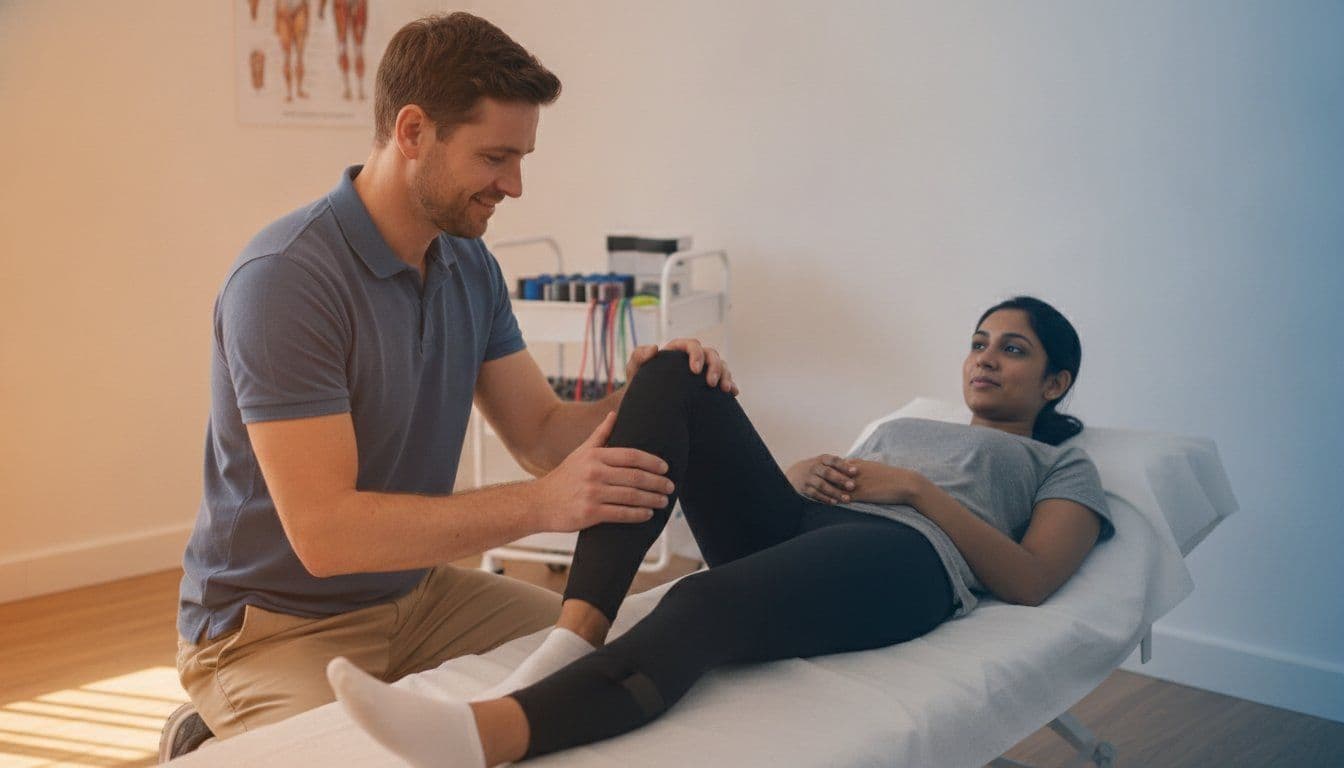
Many runners arrive at our clinic feeling let down by the standard "exercises-only" model of care. You know the drill. You wait weeks for an appointment, only to be sent home with a generic leaflet and a few half-hearted stretches. At RED Physiotherapy, we think that’s a bit rubbish. If you are searching for how to avoid running injuries Towcester, you deserve a plan that starts working from the very first minute. We are a family-run practice, and we understand that your time and money are valuable. We don't believe in dragging out treatments. Our goal is to fix your problem as efficiently as possible so you can get back to the sports and activities you love.
Our approach combines elite-level movement science with genuine, hands-on clinical care. We don't just tell you what to do; we use manual therapy to physically release the tight structures and joint restrictions that are holding you back. This immediate intervention often provides the relief you need to actually perform your rehab exercises correctly. It’s about creating a sense of momentum in your recovery, moving you from a state of frustration toward a concrete plan of action that delivers real results.
Why Sports Massage is a Runner’s Best Friend
Recovery is just as important as the miles you put in on the road. Our sports massage in Towcester is a vital part of this process. It is not a luxury spa treatment; it is a high-performance tool. By using manual soft tissue release, we can target specific areas of tension that might be causing imbalances in your gait. This physiological boost improves blood flow and helps to clear the metabolic waste that builds up during intense training. When your muscles are supple and functioning well, you are far less likely to succumb to the overuse injuries that sideline so many local athletes.
Advanced Recovery: Shockwave and Ultrasound
For those stubborn, chronic issues that just won't budge, we bring out the heavy hitters. We use shockwave therapy to stimulate healing in tendons that have become stuck in a cycle of pain. This technology is a game-changer for conditions like plantar fasciitis or Achilles problems. To ensure we are targeting the right spot, we also offer musculoskeletal ultrasound. This takes the guesswork out of your diagnosis, allowing us to see exactly what is happening beneath the skin. We use the same high-end tech as professional sports teams to ensure every Towcester local gets elite-level results without the elite-level price tag.
5 Proactive Steps to Stay Injury-Free on Towcester Trails
Stopping a problem before it starts is always more efficient than fixing a full blown tear or chronic inflammation. If you want to know how to avoid running injuries Towcester, you need a framework that respects your biology and the local terrain. We see many patients who are incredibly fit but have neglected the basic foundations of movement. By following these five honest, straight to the point steps, you can build a more resilient body and spend more time on the road and less time on the treatment table.
Master the 10% Rule and Dynamic Warm-Ups
Gradual progression is the golden rule for Northamptonshire runners, especially if you are transitioning from the flat pavements of the town centre to the undulating trails near Easton Neston. The 10% rule is the safest way to increase weekly mileage without overloading tendons. This means if you ran 10 miles last week, don't do more than 11 this week. It sounds simple, but your tissues need that time to adapt to the mechanical stress.
You should also ditch the boring static stretches before you head out. Holding a hamstring stretch for thirty seconds while your muscles are cold is actually counterproductive. Instead, use dynamic movements like leg swings, walking lunges, and calf raises. these active movements wake up your nervous system and prepare your joints for the impact of running. If you want to see how we structure these programmes, you can view our prices page for a dedicated coaching and recovery session.
Strength Training and Proper Footwear
I often tell my patients that stronger runners are harder to break. You don't need to become a bodybuilder, but you do need to target the muscles that provide stability. Your glutes and calves are the primary shock absorbers when you run. If they are weak, that force travels directly into your knees and shins, leading to the "Big Five" injuries we discussed earlier. A couple of targeted strength sessions a week will do more for your longevity than an extra five miles of running ever will.
Finally, stop buying shoes just because they look cheeky on the shelf or are on sale online. Your footwear needs to match your specific foot strike and arch type. Visit a local specialist who can watch you move, or better yet, book a professional running assessment with us. We use gait analysis to identify exactly where your form might be failing. This hands-on approach ensures you are wearing the right gear for your body, rather than just following the latest trend. To get started on a plan that actually works, contact our team today for a professional evaluation.
When to Stop "Running Through It" and Book a Towcester Physio
Runners are a famously stubborn bunch. We often treat pain like a badge of honour, pushing through the miles even when our bodies are screaming for a break. But if you want to master how to avoid running injuries Towcester, you have to know when a "niggle" has officially turned into a "problem." Waiting for an NHS appointment can take weeks or even months, which is a lifetime when you have a race goal in sight. We offer fast, effective results because we know that early intervention is the secret to a short recovery. You don't have to navigate this alone or settle for a generic advice sheet.
At our clinic, we focus on getting you back to peak performance as quickly as possible. We are a family-run practice that values your time and your passion for movement. You aren't just another patient on a list; you are an athlete who wants to get back to the trails. We provide the hands-on care and professional guidance you need to feel confident in your body again. Taking action now, before a small issue ruins your entire season, is the smartest move you can make for your long-term health.
Red Flags: When to Stop Immediately
There are certain symptoms that should never be ignored. If you are experiencing pain that wakes you up at night, significant swelling, or an inability to put weight on your leg, stop running immediately. These aren't just minor setbacks. They are red flags that your body has reached its limit. Ignoring these signs usually leads to much longer recovery times and more complex issues down the line.
To get you an answer quickly, we offer musculoskeletal diagnostic ultrasound right here in our Towcester clinic. This technology takes the guesswork out of the equation. Seeing exactly what is happening with a tendon or ligament means we can start the right treatment straight away. It is always cheaper and much faster to fix a small strain than it is to manage a major tear that has been aggravated by weeks of "running through it."
Your Path Back to Peak Performance
When you step into our clinic, your journey back to the road begins with a clear, honest assessment. We don't just look at where it hurts; we look at why it hurts. This might involve a detailed gait analysis to see how you move or a strength test to find imbalances. From there, we move straight into hands-on treatment. We use manual therapy and sports massage to release tension and improve joint mobility from day one.
Finally, we provide you with a customized recovery plan that builds your autonomy and strength. We want you to have the tools to manage your own health for the long term. If you are feeling a bit unsure about a persistent ache or a new pain, please contact us for a chat. We would much rather see you now for a quick fix than see you in six months for a long, frustrating rehab journey. Let's get you back to the sport you love with confidence.
Focus Keywords:
how to avoid running injuries Towcester, sports massage Towcester, physio Towcester, running assessment, gait analysis.
Take Control of Your Running Journey
Running shouldn't be a cycle of frustration and forced rest. By mastering load management and respecting your body’s recovery needs, you have already taken the first steps in learning how to avoid running injuries Towcester. Remember that "running through it" is rarely the answer. Proactive strength work and professional gait analysis are the real keys to staying on the road for the long term. These habits don't just prevent pain; they help you run more efficiently than ever before.
As a family-run business, we truly care about getting you back to the activities you love without dragging out your recovery. Our expert team specializes in sports injuries and provides hands-on treatment from your very first visit. We don't do generic leaflets or long waiting lists. We focus on efficient, real-world results that help you reach your full physical potential. You deserve a plan that is as unique as your running style.
If you are tired of niggles holding you back, it is time for a professional perspective. Book your hands-on running assessment at our Towcester clinic today and let's get you moving pain-free. You are in safe hands, and we can't wait to see you smash your next personal best.
Frequently Asked Questions
How do I know if my running pain is serious or just a niggle?
Serious pain usually causes you to limp, lingers for more than 48 hours, or gets progressively worse as you run. A niggle is typically a dull ache that fades away once you have warmed up. If the pain is sharp, localized, or makes you change how you move, it is time to stop. We use diagnostic ultrasound in our clinic to get you a definitive answer quickly so you don't have to guess.
Can a sports massage help prevent running injuries in Towcester?
Yes, sports massage is a brilliant tool for injury prevention. It works by releasing deep seated tension in your muscles and improving blood flow to your tissues. By keeping your muscles supple and functioning well, you significantly reduce the risk of the "overuse" injuries we see so often in local runners. It is a performance and recovery tool, not just a luxury treat for after a race.
Is it okay to run with a slight pain in my shin?
It depends on the type of pain, but generally, running through shin pain is a bit of a gamble. If the ache is sharp or localized to the bone, you might be looking at the start of medial tibial stress syndrome. Learning how to avoid running injuries Towcester often starts with knowing when to rest and seek a professional assessment before a small niggle becomes a serious stress fracture.
How often should I see a physio for running injury prevention?
A "maintenance" check every 6 to 8 weeks is ideal for most active runners. This allows us to catch small biomechanical issues or muscle imbalances before they cause a full blown injury. Think of it like an MOT for your body. We can check your strength, joint mobility, and gait to ensure you stay on the road and continue training toward your goals without any painful interruptions.
What is the most common cause of running injuries for beginners?
Doing too much, too soon is the number one cause of injury for new runners. Your cardiovascular fitness often improves much faster than your tendons and bones can adapt to the repetitive impact of the road. Following a gradual progression and incorporating strength training from day one is the best way to keep your training consistent and ensure you don't end up on the treatment table after just a few weeks.
Can a gait analysis really help me avoid injuries?
Absolutely, because it identifies the specific movement patterns that are putting extra stress on your joints. Whether you are overstriding or have a side to side pelvic drop, a gait analysis shows us exactly what needs to change in your form. We use this data to create a custom plan that addresses the root cause of your pain, rather than just treating the symptoms of the injury itself.
How long is the wait for a running injury appointment at RED Physiotherapy?
We pride ourselves on offering fast, effective results without the long waits you might find elsewhere. We usually have appointments available within a few days, and sometimes even on the same day. We know that when you are in pain, you want answers and hands on treatment immediately. We don't believe in dragging things out, we want to get you back running as quickly as possible.
Do I need a GP referral to see a private physio in Towcester?
No, you do not need a GP referral to see us. You can self refer directly to our clinic for any of our services, including physiotherapy, sports massage, and running assessments. This means you can start your recovery journey immediately, saving you time and helping you get back to your running goals much faster. We are a family run practice and we make the process as simple and honest as possible.
Tags:
About the Author
Red Physiotherapy Team
Content Team
Health and wellness content from the RED Physiotherapy team.