
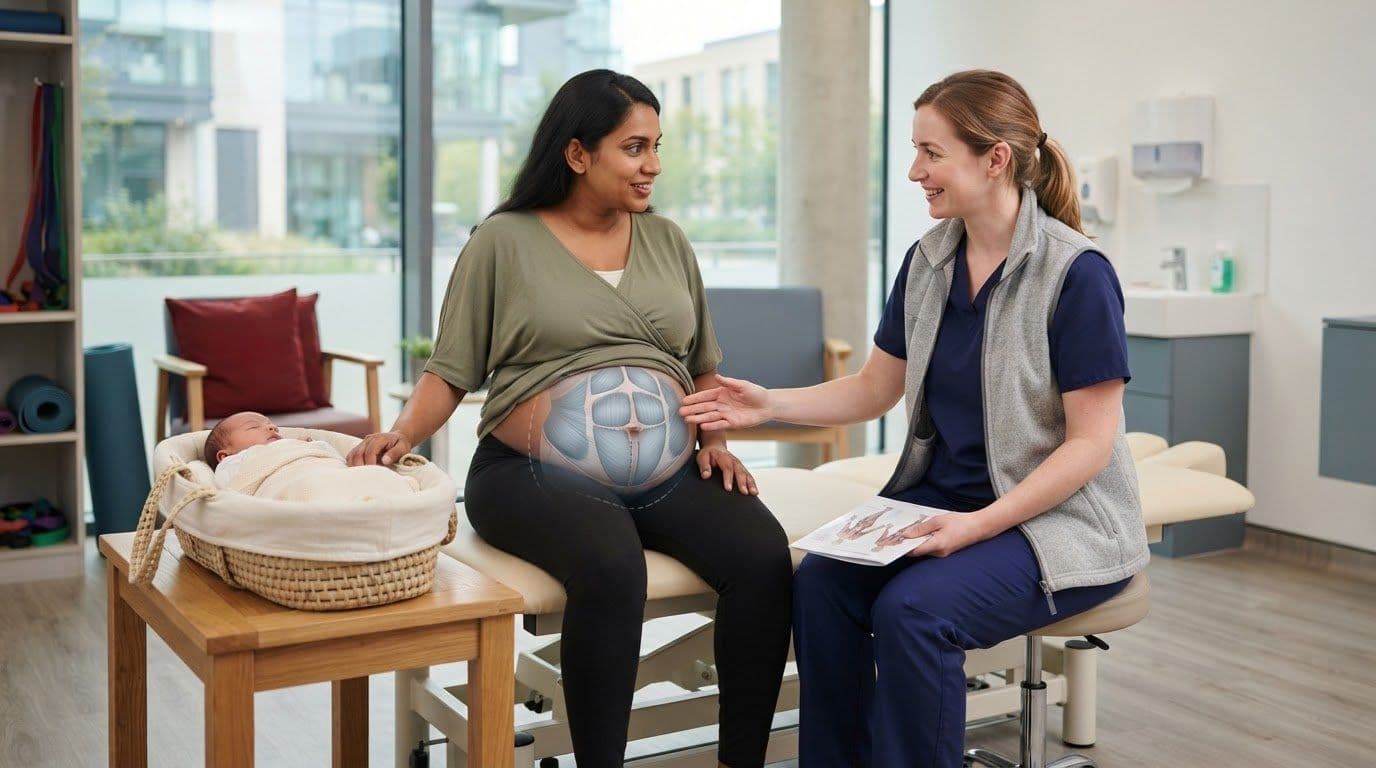
Postnatal Physiotherapy for C-section Recovery in Milton Keynes
Need postnatal physiotherapy for C-section recovery Milton Keynes? Get clear, honest support to ease scar tightness, rebuild core strength, and move with ease.
What if a C-section recovery assessment is less about passing a checklist and more about understanding what would help you feel comfortable moving again? If your scar feels sensitive, your abdomen feels weaker than expected, or everyday tasks such as lifting your baby or getting up from a chair feel difficult, it’s natural to wonder whether this is part of recovery or a reason to seek support. Postnatal physiotherapy for C-section recovery Milton Keynes can help you explore those concerns and identify practical next steps suited to your needs.
Recovery varies, and physiotherapy isn’t something everyone needs. An assessment may include a conversation about your birth, symptoms and goals, followed by agreed checks of movement and function. You can ask questions, take things at your own pace and decide what you’re comfortable with. This article explains what may be covered, how consent works, when women’s health physiotherapy could be useful, and when a concern calls for medical advice instead.
Key Takeaways
- An assessment can help you make sense of what you’re experiencing and identify practical next steps that suit your recovery.
- With postnatal physiotherapy for C-section recovery Milton Keynes, you can discuss your concerns and agree which assessment options feel comfortable for you.
- Consider your symptoms, everyday goals and maternity advice when deciding whether physiotherapy could be helpful.
- Learn which concerns are better raised promptly with a medical professional rather than managed through physiotherapy alone.
Postnatal physiotherapy for caesarean recovery in Milton Keynes: what can an assessment help with?
An assessment can help you make sense of symptoms after a caesarean and work out suitable next steps. It isn’t a checklist you have to pass, or proof that anything is wrong. Recovery varies, and you may not need physiotherapy. The right support depends on what you’re experiencing and what you want to get back to doing.
A caesarean section is an operation, and recovery can involve more than the skin incision. This Caesarean section overview explains the procedure. A physiotherapy assessment focuses on how you’re feeling and moving now.
Which recovery concerns are worth discussing with a physiotherapist?
You might want to talk about scar sensitivity, abdominal discomfort or a feeling of weakness, difficulty getting up or carrying your baby, or uncertainty about returning to walks and other activities. Pelvic floor symptoms, such as leaking urine, heaviness or difficulty controlling wind, are also valid to raise. Start with the concerns and goals that matter most to you.
Imagine a fictional Milton Keynes commuter who’s back at a desk and finds the journey, sitting for long periods and lifting a baby from a car seat uncomfortable. An assessment could explore which movements are difficult and discuss practical ways to build confidence. Women’s health physiotherapy can provide individualised support, which may include hands on care or rehabilitation when appropriate.
Physiotherapy isn’t a substitute for medical review. Contact your maternity team or GP about concerning symptoms such as a wound that’s becoming increasingly red, hot or oozy, fever, or worsening pain. Seek urgent medical help for severe symptoms, including chest pain or sudden breathlessness. If you’re unsure, get medical advice rather than waiting for physiotherapy.
What happens during a C-section recovery assessment, and can you say no?
You stay in control throughout. An assessment should start with a conversation about your symptoms, birth and recovery, and what you’d like to feel more confident doing. From there, your physiotherapist can explain possible assessment options, check relevant movements with your agreement, then talk through a plan tailored to your needs.
You can ask questions, pause or decline any part of the assessment. You don’t have to agree to an examination to discuss your concerns or explore other ways to assess how you’re moving. The aim is to understand what matters to you, not to push you through a fixed routine.
What if you feel nervous about discussing intimate symptoms?
Bladder leaks, bowel changes, pelvic floor symptoms and scar concerns can feel personal, but they’re all reasonable topics to raise. You can describe what’s happening in everyday language, or write down your questions beforehand if that feels easier.
An internal examination is not automatic or compulsory. Your physiotherapist should explain why an examination might be useful, what it involves and what alternatives are available. You decide whether to consent, and you can change your mind or ask to stop at any point. Consent means your clear agreement, not simply going along because an examination has been suggested.
The assessment may focus on conversation and comfortable movements, depending on your concerns. If hands on assessment or rehabilitation seems appropriate, it should be discussed with you rather than assumed. For general information about C-section recovery, Mayo Clinic also outlines practical recovery considerations.
If you’re considering postnatal physiotherapy for C-section recovery Milton Keynes, you can read about women’s health physiotherapy and decide whether this kind of support feels right for you.

Choosing postnatal physiotherapy for C-section recovery in Milton Keynes
Physiotherapy may be useful if symptoms or reduced confidence are making daily activities harder, or you want guidance on returning to movement. Consider what is bothering you, what you hope to do more comfortably, whether you feel ready to discuss it, and any advice from your maternity team. You don’t have to book simply because you’ve had a caesarean. The POGP guide to physiotherapy after a caesarean explains how physiotherapy may support recovery.
Some symptoms need medical advice, not a physiotherapy appointment. Contact your maternity team or GP promptly if you feel unwell, symptoms are worsening, or you’re concerned about how your wound is healing. Seek emergency help for chest pain or sudden difficulty breathing. Physiotherapy can support movement and rehabilitation, but it cannot diagnose or treat surgical complications.
How do you take the next step in Milton Keynes?
Practical next steps: Note which activities feel difficult, what you’d like to manage more comfortably, and any advice you’ve already received. This gives you a clear starting point for a conversation and helps keep any assessment focused on your priorities.
RED Physiotherapy provides women’s health physiotherapy in Milton Keynes, with recovery support tailored to your needs. You can review physiotherapy prices before deciding whether to proceed. If you feel ready to discuss your recovery, book an appointment online. There’s no need to have everything figured out before you take that first step.
Take your next step with confidence
Your recovery is personal, so an assessment should focus on your symptoms, priorities and the everyday movements you want to manage more comfortably. You can ask questions, agree only to the assessment options that feel right for you, and discuss a plan without being pressured into treatment. If symptoms suggest a medical concern, seek advice from your maternity team or GP rather than relying on physiotherapy alone.
RED Physiotherapy provides women’s health physiotherapy, alongside physiotherapy and rehabilitation in Milton Keynes. If postnatal physiotherapy for C-section recovery Milton Keynes feels like a helpful next step, you can book an appointment to discuss your recovery. Start with what matters to you, and take recovery one considered step at a time.
Frequently Asked Questions
When should I consider postnatal physiotherapy after a C-section?
Consider physiotherapy if symptoms or reduced confidence are making daily activities harder, or you’d like guidance on rebuilding movement and strength. There’s no single point when everyone needs an assessment, and you don’t have to wait for a particular milestone to ask questions. If you’re considering postnatal physiotherapy for C-section recovery in Milton Keynes, your own concerns and goals are a good place to start.
Does a C-section recovery assessment include an internal examination?
No, an internal examination isn’t automatic or compulsory. Your physiotherapist should explain any proposed assessment, why it may be useful and what alternatives are available. You can ask questions, decline, pause or change your mind at any stage. An assessment can still begin with a conversation about your symptoms and goals, followed by agreed checks of comfortable movements.
Can physiotherapy help with a C-section scar or abdominal weakness?
Physiotherapy can help assess scar sensitivity, abdominal comfort and how your trunk responds during everyday movements. Your physiotherapist can discuss appropriate options and ways to build function around your goals. If the wound looks increasingly red, feels hot, becomes oozy, or you feel unwell, seek medical advice promptly rather than relying on physiotherapy to assess a possible complication.
Is postnatal physiotherapy the same as a Mummy MOT?
Not necessarily. A Mummy MOT is a named, branded postnatal assessment, while postnatal physiotherapy describes a broader area of care. An assessment should respond to your symptoms and priorities, rather than assume you need a fixed checklist. RED Physiotherapy provides women’s health physiotherapy in Milton Keynes, Northampton and Towcester, with support tailored to your needs.

Tags:
About the Author
Red Physiotherapy Team
Content Team
Health and wellness content from the RED Physiotherapy team.